
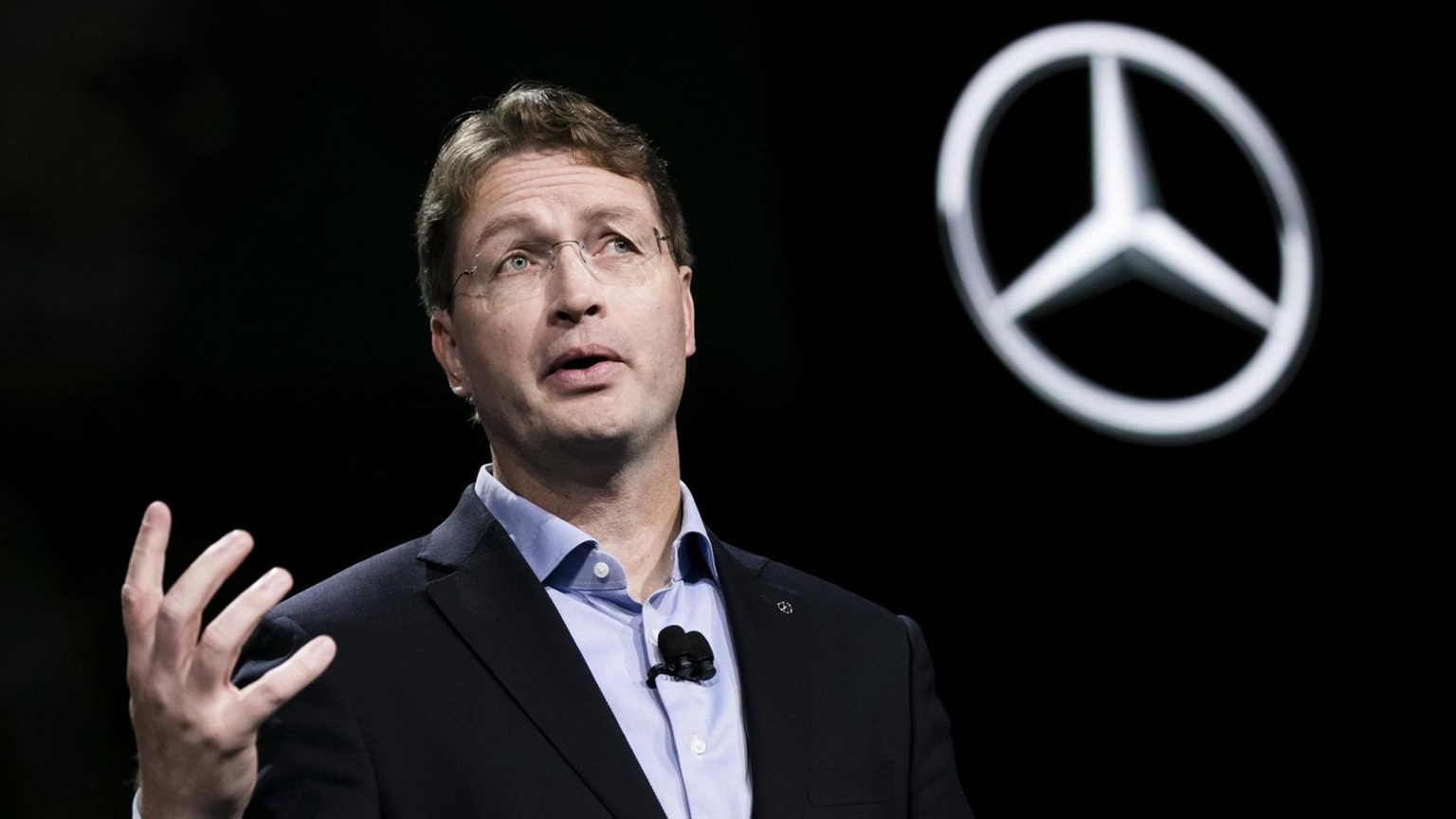
The statement by Mercedes-Benz CEO, Ola Källenius, to "The Wall Street Journal" regarding the company's plan to expand its activities into the defense sector is more than just a local corporate decision. It is a clear signal of a fundamental shift in the global industrial landscape, where "dual-use" technologies are becoming a guarantee of corporate resilience.
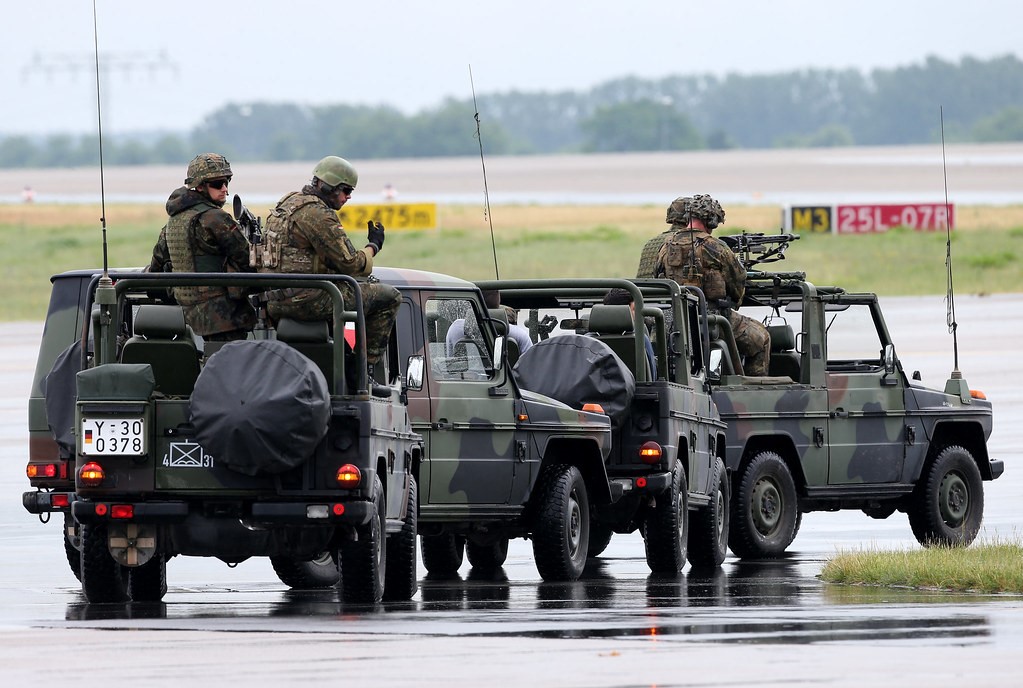
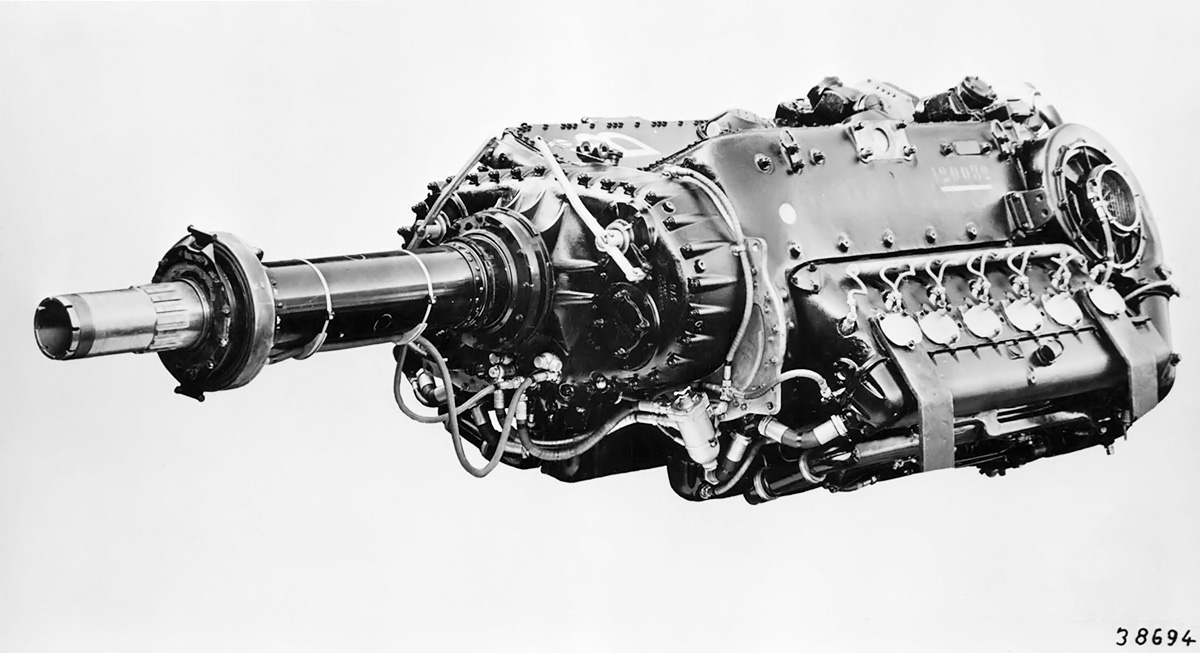
Mercedes-Benz has significant experience in this industry, so this message should not be surprising or unusual for the reader. Let’s look at the history: in 1926, the merger of Daimler-Motoren-Gesellschaft and Benz & Cie created an industrial holding company founded by Gottlieb Daimler and Karl Benz. As early as the late 19th century, they were working on engines that later became the heart of military transport vehicles. Later, in the 1930s, during the German army's rearmament process (Aufrüstung), Daimler-Benz became a major supplier for the Wehrmacht. Their production included not only trucks but also high-tech DB-series engines for Messerschmitt fighter planes. This period provided the company with unique engineering expertise, which determined its production capacity for many decades.
Today, when Michael Schiebe, a member of the company’s board of management, states that vehicles and chassis for security, rescue, and defense purposes account for less than one percent of their total sales, it becomes clear that for Mercedes-Benz, this sector represents a blue ocean strategy. From an economic perspective, this decision is driven by several factors:
- Market Diversification: The big picture is even more important. Europe is rapidly increasing defense spending. The European Commission's Readiness 2030, also known as ReArm Europe, aims to mobilize up to €800 billion for defense. According to 2026 SIPRI data, German military spending increased by 24% in 2025, reaching $114 billion, with the country's military expenditure amounting to 2.3% of its GDP. NATO data also shows that in 2025, all alliance members reached or exceeded the 2% defense target of their GDP. In this environment, defense ministry contracts provide long-term, predictable revenue, which strengthens the company's financial stability.
- Synergy: Cooperation with "Tytan Technologies" and the use of the Mercedes-Benz Sprinter for drone defense systems indicate that the company is effectively using existing production lines to enter high-tech niches with minimal capital expenditure.
- Geopolitical Demand: In Källenius's words, the world has become more unpredictable, which creates an imperative to strengthen Europe's defense profile.
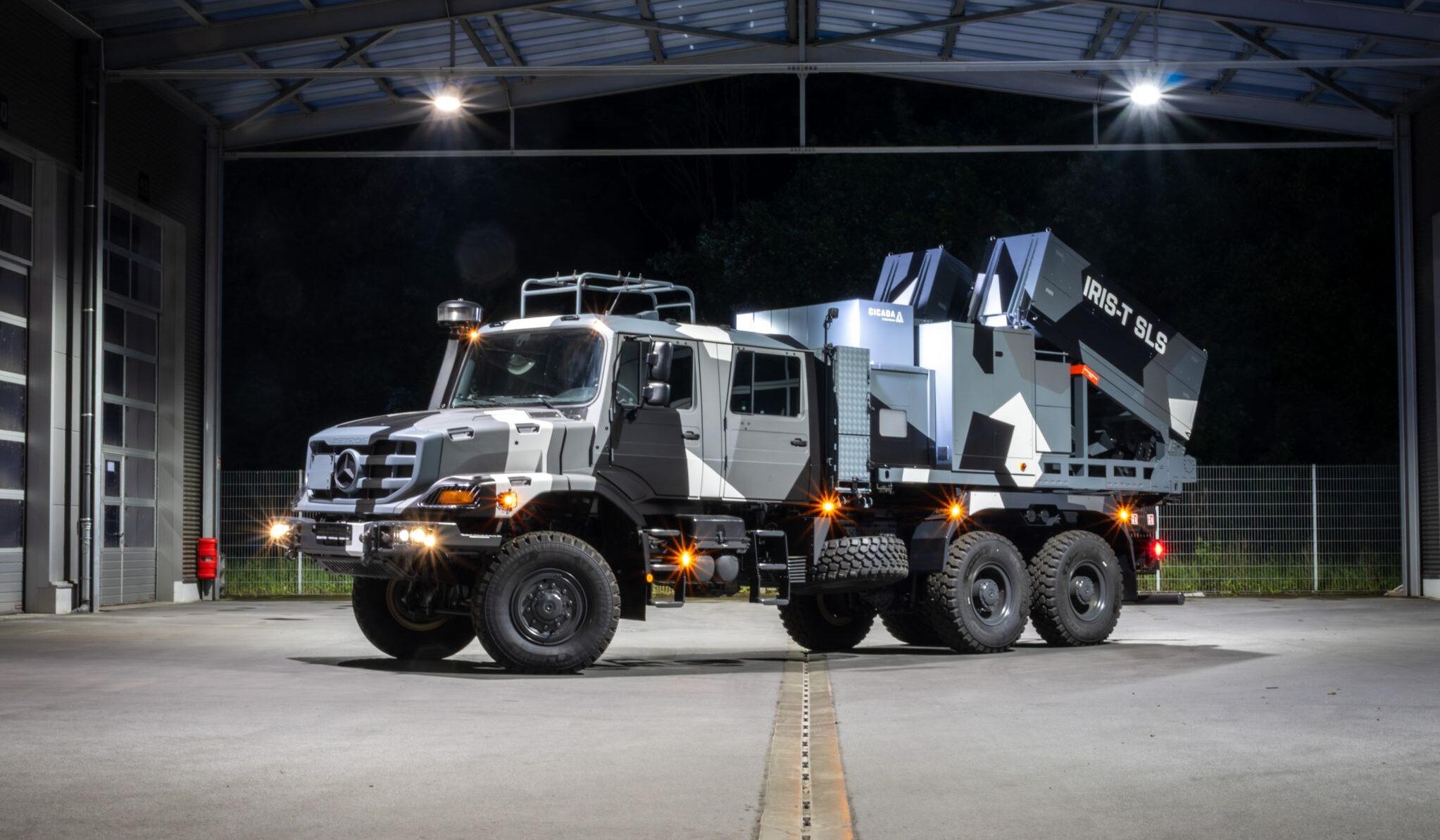
Mercedes-Benz’s activation does not mean only supplying trucks. This is a technological evolution that includes:
- Autonomous systems: AI-based transport solutions optimized to reduce logistical risks.
- Electrification: Introducing electric motors into military equipment increases their efficiency and acoustic stealth, which is a new standard for safety.
- Defense systems: Using the technology of Guard series armored vehicles for military purposes.
Conclusion Mercedes-Benz's return to the defense sector is a rational response to changes in the global security environment. The company, which has been a leader in the premium segment for decades, is now transforming its engineering base into a technological ecosystem that states recognize as a strategic partner. This move is, on the one hand, a diversification of financial risks, and on the other, a synthesis of centuries-old engineering tradition and future technological demands. As a result, Mercedes-Benz once again confirms its position as more than just an automaker it is a global industrial power ready to respond to the most complex challenges of our time.