

In the first five months of 2026 (January–May), Georgia’s car market experienced a major change. Data from the National Statistics Office shows that car imports have reached a four-year low. This decline is not just about economics; it also reflects the country's changing political and geopolitical situation.
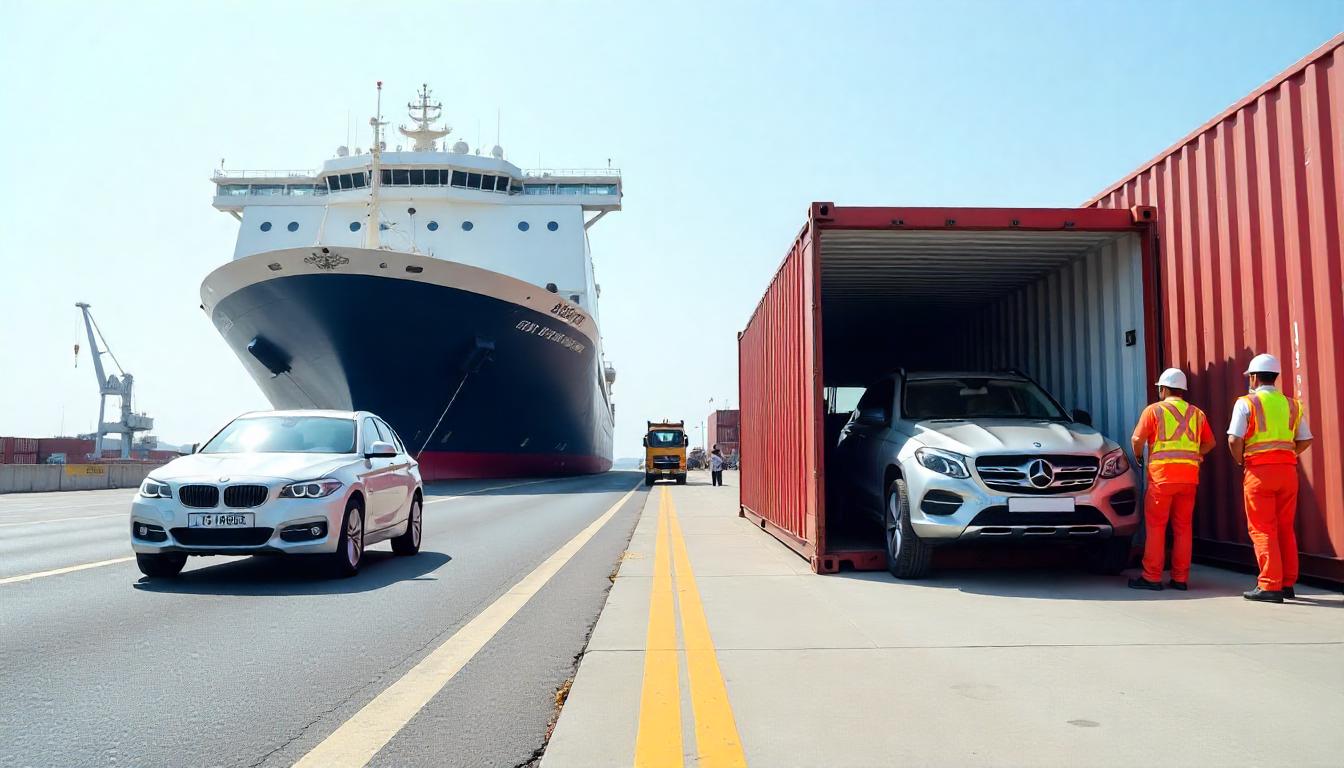
From January to May, 77,054 cars entered the country, with a total value of 1.251 billion dollars. Compared to the same period in 2025, when 90,434 cars were imported for 1.567 billion dollars, the number of cars dropped by 14.8%, and the total value fell by 20.2%. The fact that the total value dropped more than the number of cars suggests that there is more demand for cheaper vehicles or that global prices have changed, which directly affects the income of car importers.

The United States remains the main source of car imports, with 58,881 cars worth 698.1 million dollars. However, the structure of the market shows some interesting trends. The top importers also include Germany (2,000 cars worth 171.2 million dollars), Japan (7,487 cars worth 166.5 million dollars), the United Kingdom (312 cars worth 35.8 million dollars), and China (3,339 cars worth 31 million dollars).

This decline is caused by several factors. After the high growth of the past few years, the market is now full. At the same time, banks have made it harder to get loans, and interest rates have increased, making it more difficult for people to buy expensive cars. As people have less money to spend, buying a car is no longer a top priority. Additionally, Georgia acts as a transit hub for the region. Because neighboring countries like Armenia, Azerbaijan, and Central Asian states have introduced stricter import rules and transport costs have risen, the transit flow through Georgia has decreased.

From a political perspective, the tense relationship with Western partners, especially the United States, and the unclear political direction create risks for the business sector. When the country's foreign policy is uncertain, investors and big importers wait to see what happens, which leads to lower spending. In this situation, the growth of Chinese car imports is not a coincidence. As businesses face difficulties with Western markets, they are looking for new partners. The arrival of Chinese cars, including electric vehicles, might show a shift in Georgia's foreign economic direction. The four-year low in car imports is not just a random economic drop. It reflects both a saturated local market and the geopolitical challenges the country faces. If this trend continues, it will show that Georgia is in a phase of rethinking its economic model, where political choices directly influence trade partners and money flows.