Georgian
 English
Automotive history remembers many engineering curiosities and loud commercial failures, starting with the futuristic yet problematic DeLorean, continuing with the explosive Ford Pinto, and ending with the unattractive Cadillac Cimarron. Nevertheless, none of them can compare to the East German "Trabant," which was produced from 1957 to 1991 at the state-owned automotive factory in Zwickau, and from 1958 in the production association known as VEB Sachsenring. The "Trabi" was not just a poorly built car; it became a symbol of the planned economy under Soviet influence and the crisis of the socialist system.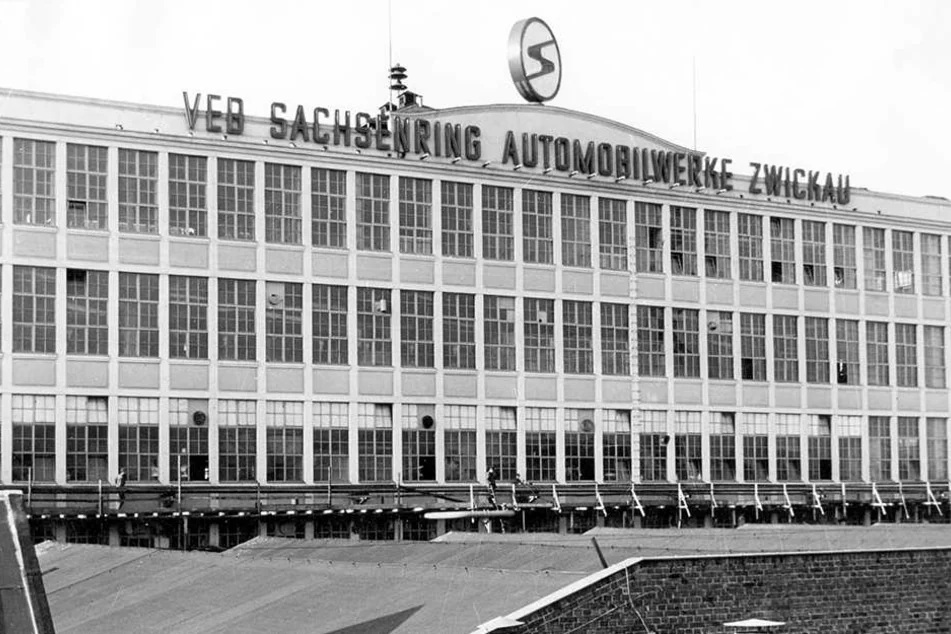
After the end of World War II, the industrial infrastructure in the eastern part of Germany ended up in the Soviet occupation zone, where the German Democratic Republic was formed in 1949. The rivalry between the two Germanies was not limited only to politics; it also included technological development and living standards. For East Berlin, creating its own automotive industry was a matter of political prestige. In the city of Zwickau, where legendary models of Audi and Horch were built before the war, car production had a long history. On May 1, 1958, VEB Sachsenring was formed as a result of merging several factories. In this exact industrial center, on November 7, 1957, the first trial series of the Trabant P50 came out. Its name means "satellite" in German and directly echoed Sputnik 1, which the Soviet Union launched into space in the same year.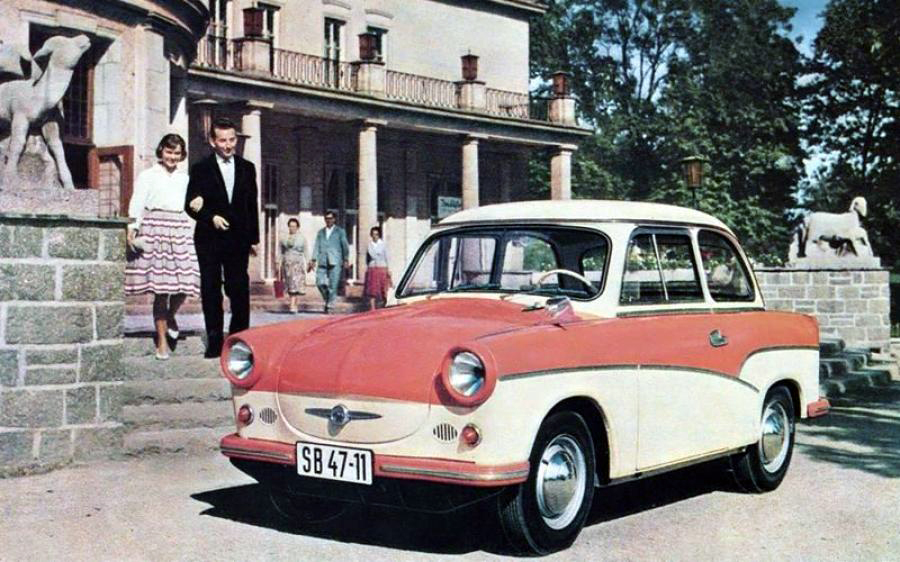
At the initial stage, the front-wheel-drive "Trabant" looked like a completely promising and reasonable engineering decision. Post-war East Germany suffered from a severe shortage of steel, which is why the designers used Duroplast to make the body panels. Unlike steel, Duroplast turned out to be light and resistant to corrosion, which made it possible to save the scarce metal. However, by the end of the 1950s, this progressive idea quickly turned into a trap of technological stagnation, because the free market is built on healthy competition, while the Soviet system lived on a planned economy. As a result, the state no longer had the proper motivation to update the product and respond to consumer demands.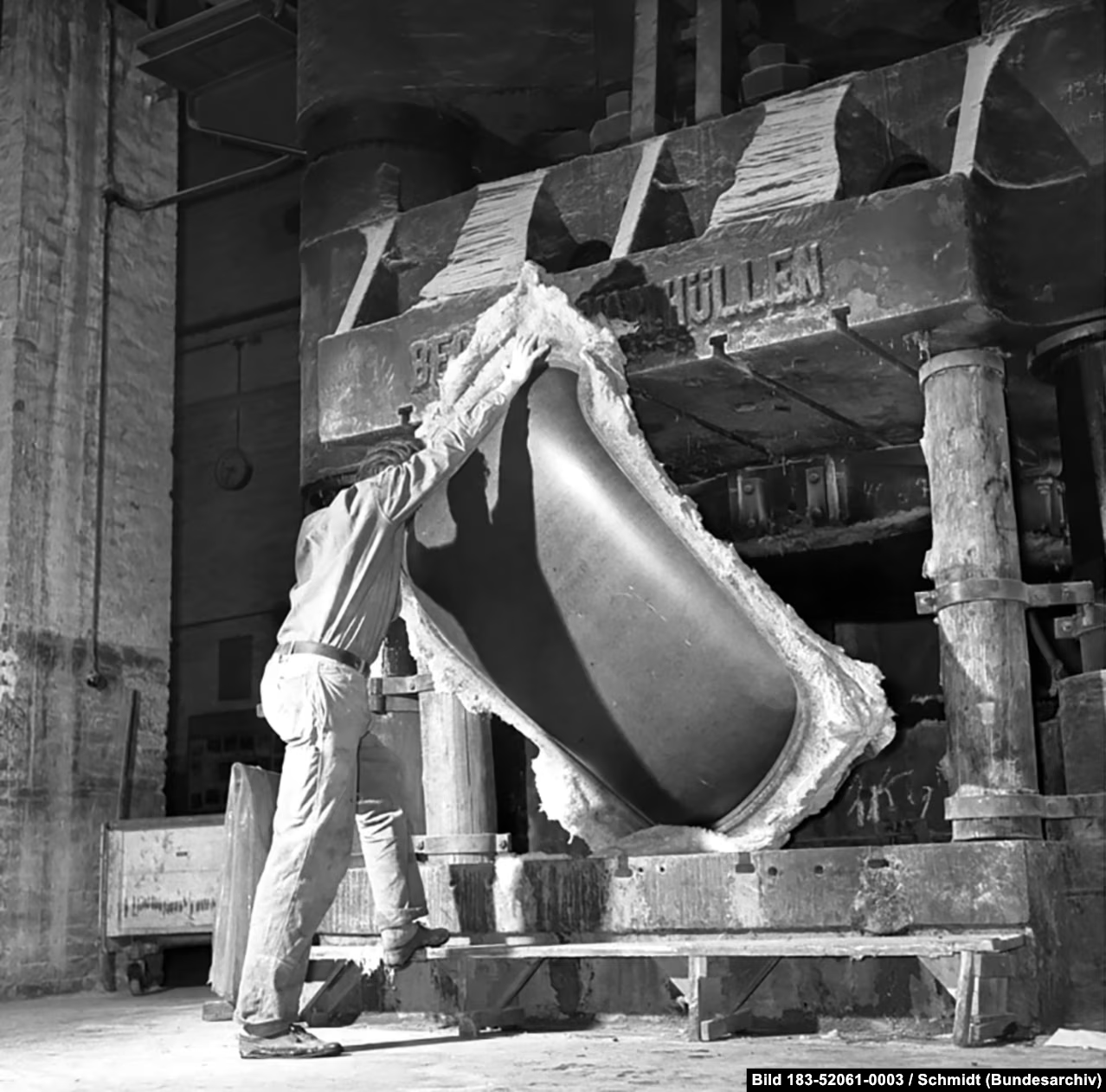 This stagnation was most clearly reflected in the Trabant 601, released in 1964, whose basic technical architecture remained unchanged for almost three decades. The car was equipped with a front-mounted, two-cylinder, two-stroke engine with a volume of only 594.5 cubic centimeters and a power that did not exceed 26 horsepower. Despite a four-speed manual gearbox and a light construction of 615 kilograms, the car's maximum speed was limited to 100 km/h, and from its 24-liter tank, the Trabant 601 consumed an average of 7 liters of fuel per 100 kilometers. The two-stroke engine required mixing oil into the fuel, which gave it a strong exhaust smell and characteristic blue smoke. Its exhaust was much more harmful compared to modern four-stroke engines. While in West Germany Volkswagen, Mercedes-Benz, BMW, Opel, and Porsche were constantly improving safety, fuel economy, and comfort standards, the 1989 "Trabant" did not even have basic details such as a regular fuel level gauge the driver had to use a measuring stick dipped into the tank. The car's passive safety also lagged significantly behind Western models.
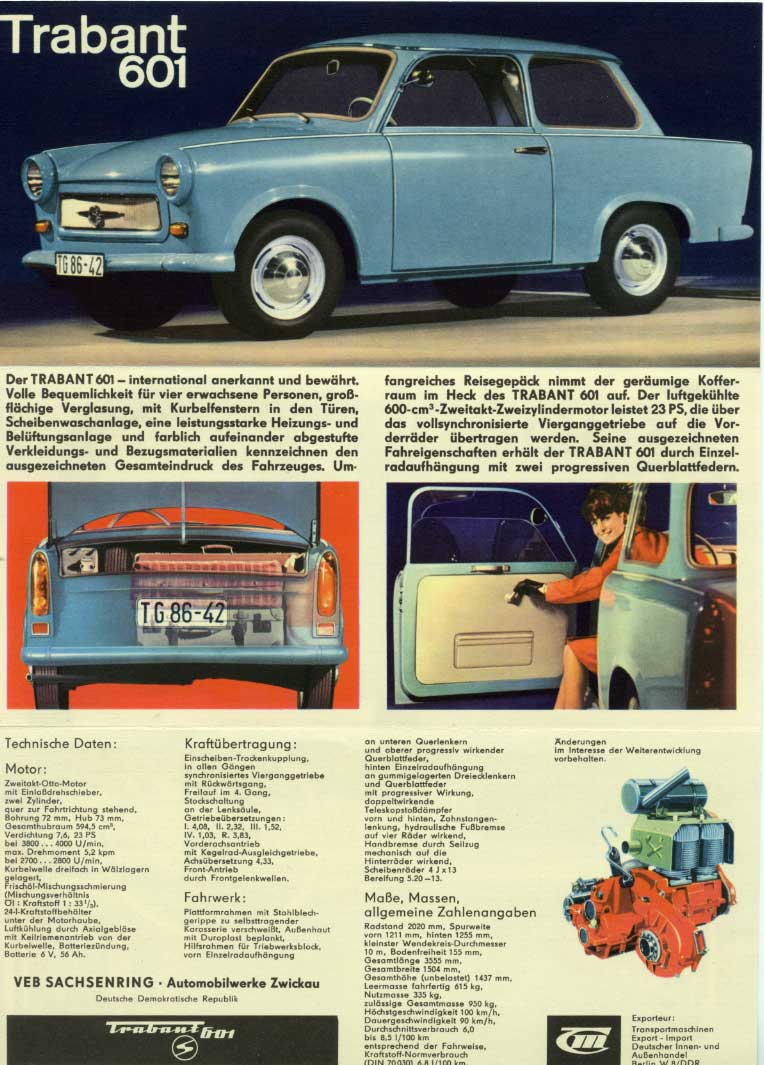
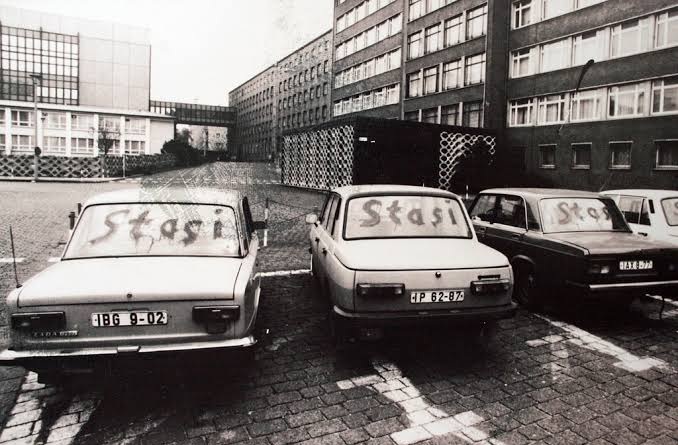
Even more absurd than the technical backwardness was the economic reality in which this car was sold. In a centrally planned economy, the state determined production volume, prices, and distribution. In the 1960s, the popular P601 model cost 7,450 East German marks, while the monthly salary of an ordinary worker was only 558 marks. By 1989, the price of the car had risen to about 12,650 marks, while the average monthly income was around 800 marks. This meant that a citizen had to pay almost sixteen months' full salary without any daily expenses. Despite paying the money in advance, due to a broken supply chain and shortages, buyers had to wait from 10 to 20 years to receive their car. According to official 1989 data, the average waiting time for the cheapest version was 12.5 years. The consumer did not even have the right to choose the color. The higher-class, steel-bodied "Wartburg" was also a scarce car. It was sold not only to the party elite but also to ordinary consumers, although part of it was exported abroad to attract foreign currency. This classic monopoly trap created a black market, where desperate citizens paid twice the official price for an already registered, second-hand "Trabant" just to get the car immediately.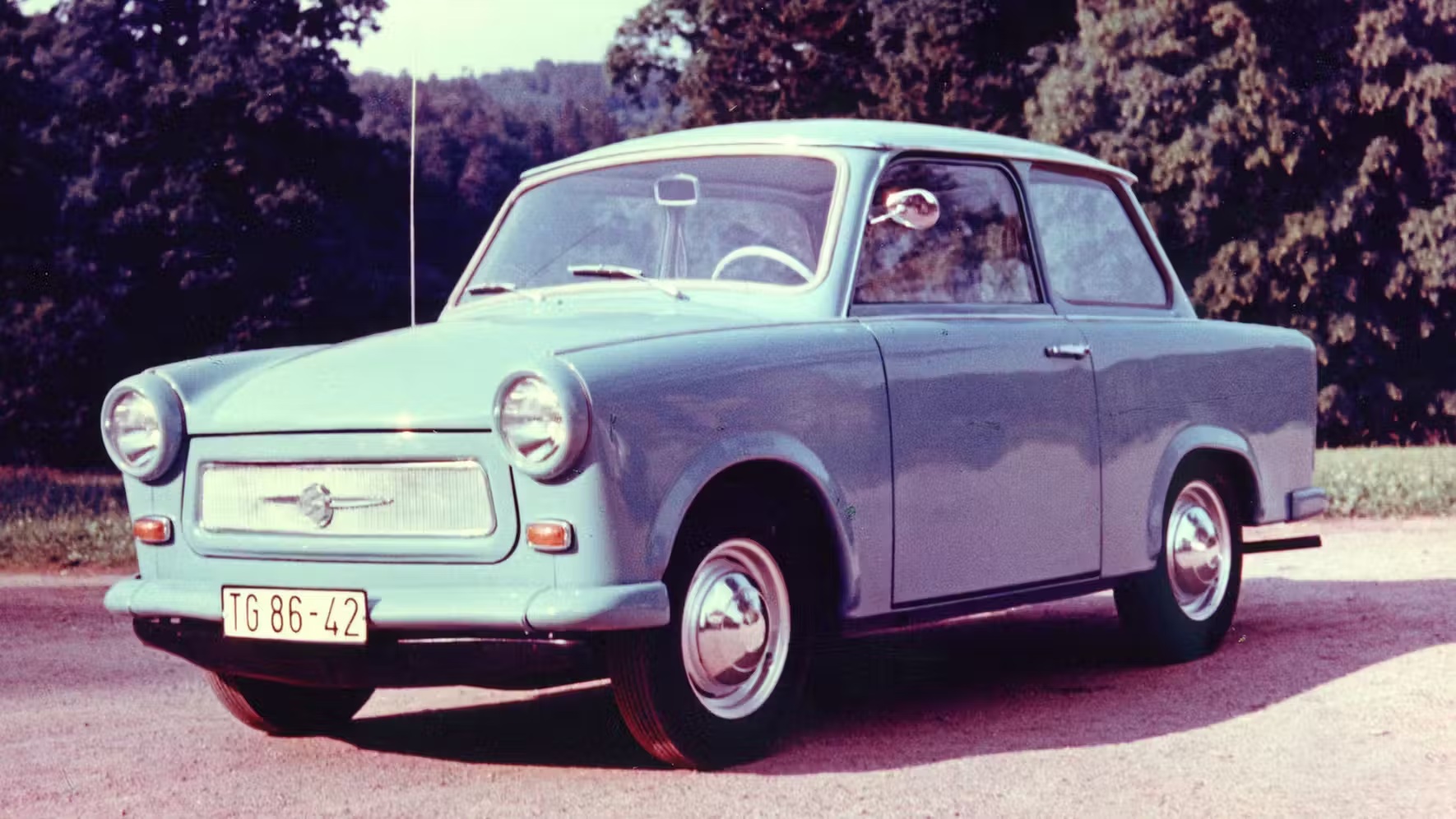 The stagnation created around the "Trabant" was a reflection of East Germany's entire political and economic system. Initiative and the free exchange of information in the country were suppressed by a mechanism of total control the Ministry for State Security of the German Democratic Republic (German: Stasi). According to 1989 data, the secret service had 91,000 employees and about 180,000 secret informers. They controlled the daily lives and work environments of the 16.4-million population. Against this background, state statistics boasted of quantitative achievements: on November 22, 1973, the one-millionth "Trabant" rolled off the assembly line, and according to the Saxon State Archives, a total of 2,819,622 cars were produced, including all modifications of the 601 model, some of which were exported to Hungary, Czechoslovakia, Romania, Poland, and in small numbers even to Iceland and Greece. However, quantitative scale could no longer hide the fundamental economic crisis. On October 30, 1989, the head of the State Planning Commission, Gerhard Schürer, presented a secret report to the Politburo, showing that the country's labor productivity was about 40 percent behind West Germany, while the wear and tear of industrial equipment reached 53.8 percent. The volume of foreign debt was also critically assessed in the report. According to the document, stopping the debt growth would require reducing the population's living standards by 25–30 percent in 1990.
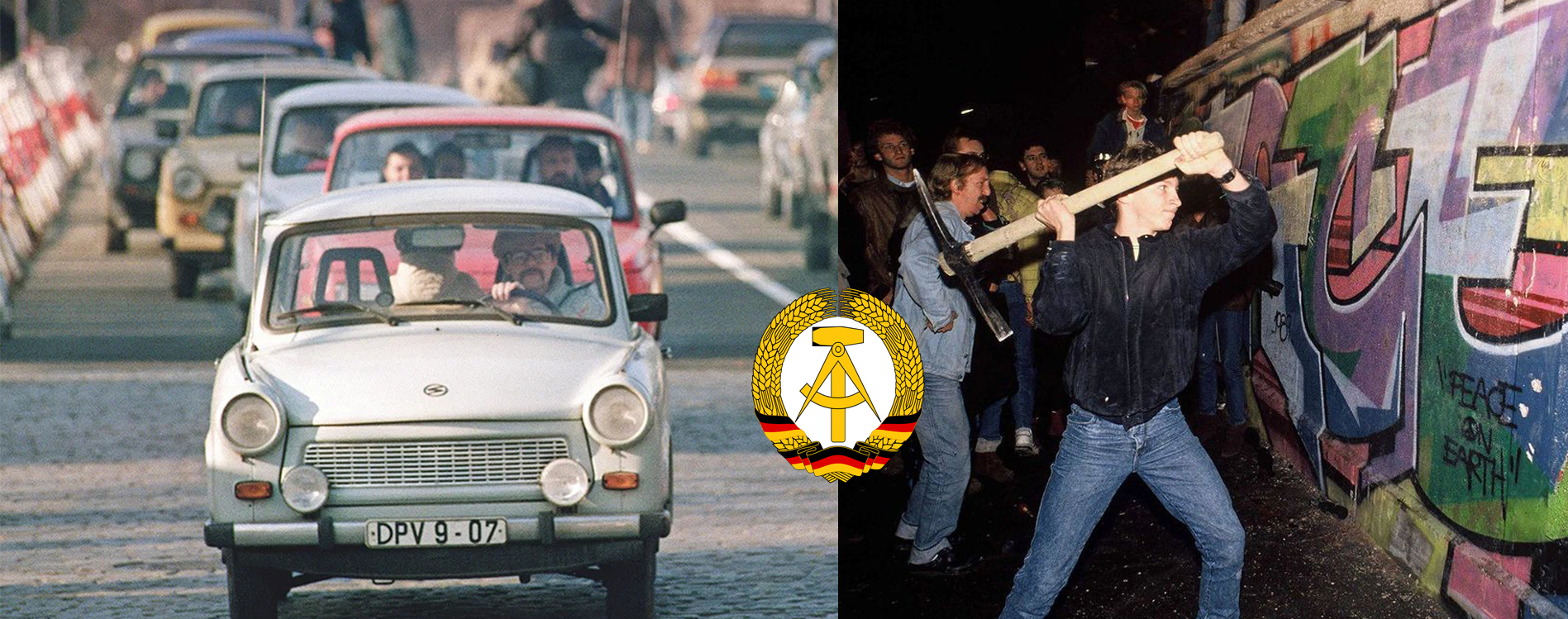
The historical knot untied in the autumn of 1989, when, as a result of Mikhail Gorbachev's policy, Moscow refused to maintain Eastern European regimes by military force. On November 9, 1989, the Berlin Wall opened, and East Germans were able to travel freely to the West. They got the opportunity to see the achievements of the Western auto industry with their own eyes. The "Trabant" became a relic of the past overnight. Thousands of families packed their luggage into the small cars and headed West. The event entered history under the name "Trabi Trail." Citizens arriving in West Germany often left their cars directly on the streets or sold them for a symbolic price, because their outdated technology, high emissions, and low competitiveness made keeping the car less attractive in the Western market.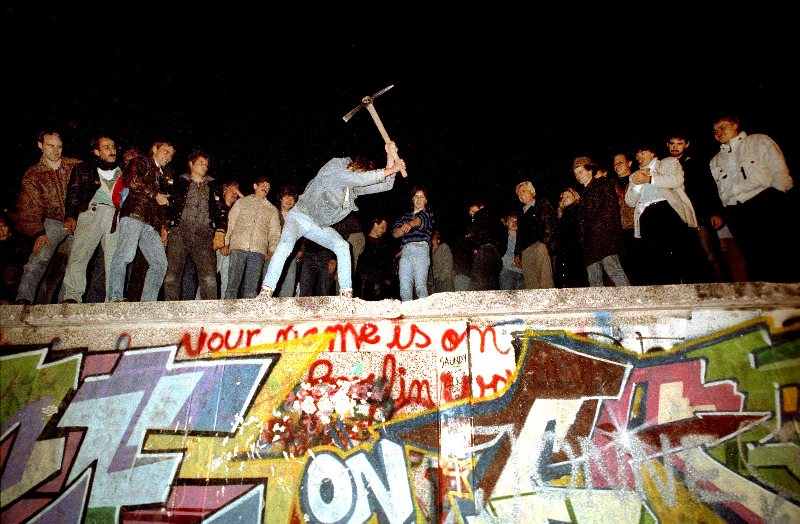
The monetary union that came into force on July 1, 1990, and the reunification of Germany on October 3, which preceded the official collapse of the Soviet Union on December 26, 1991, put East German industry in the face of tough market competition. By December 1990, East Germany's industrial production was only 45.5 percent compared to the same period in 1989. Sachsenring's last attempt to survive was based on a license purchased by IFA from Volkswagen back in 1984. In 1990, the modernized Trabant 1.1 hit the market, equipped with a 1.1-liter, four-cylinder, four-stroke engine from Volkswagen's EA111 family. However, placing a modern engine on an outdated platform turned out to be too late: production of the Trabant 601 sedan ended on June 29, 1990, and the station wagon on July 23. On April 30, 1991, after producing 39,474 units, the assembly line of the Trabant 1.1 also stopped forever. This ended the 34-year production history of the car.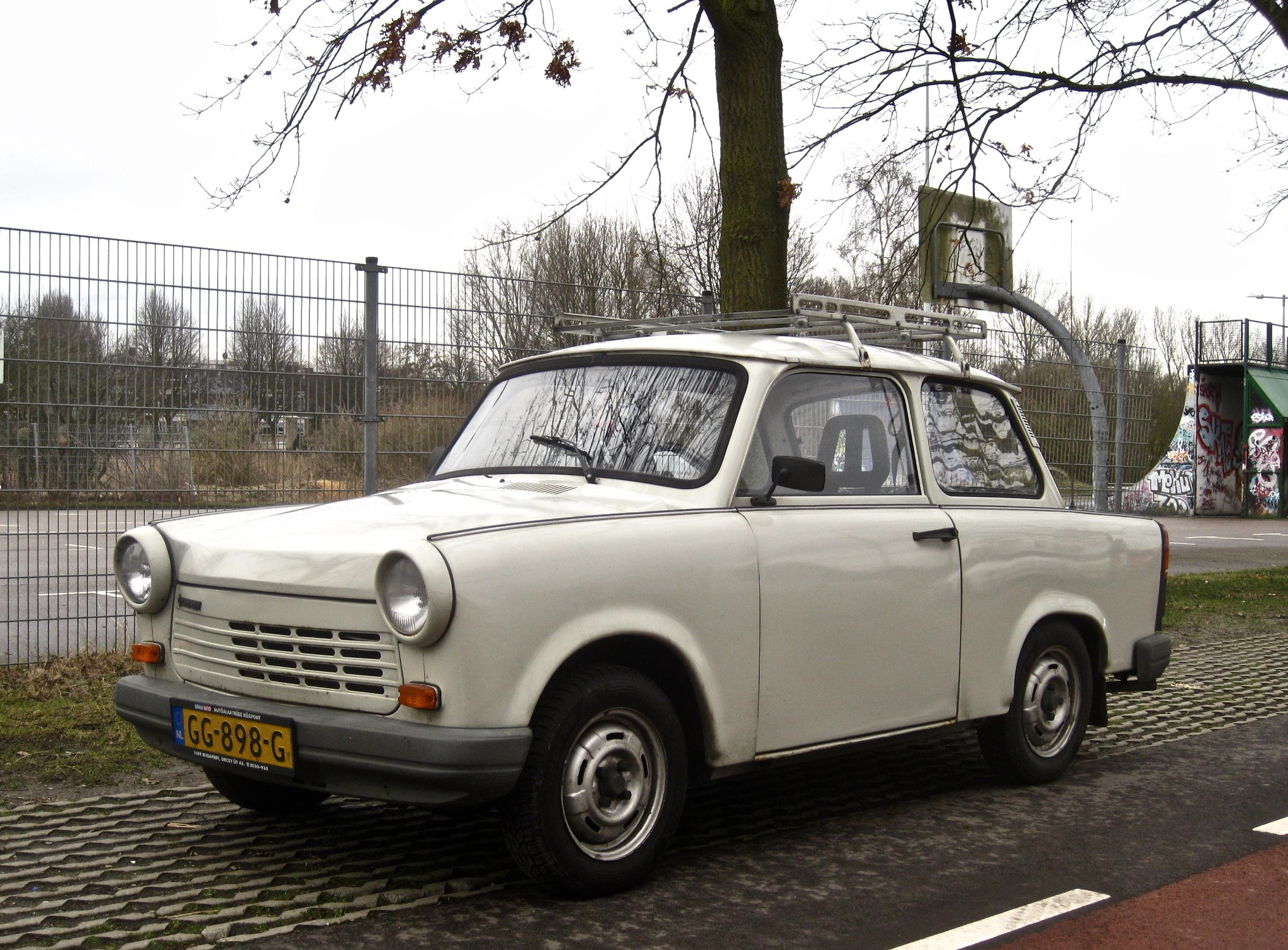 Today, about 33,000 "Trabants" remain in the world, and collectors interested in Cold War history pay up to 5,000 euros for well-preserved examples. Despite this retro-nostalgia, the main legacy of the small car from the Zwickau factory is a very important economic and historical lesson: mass production numbers by themselves do not mean industrial success, and where the state destroys competition and engineering freedom, innovation dies, and eventually the system itself collapses.