Georgian
 English
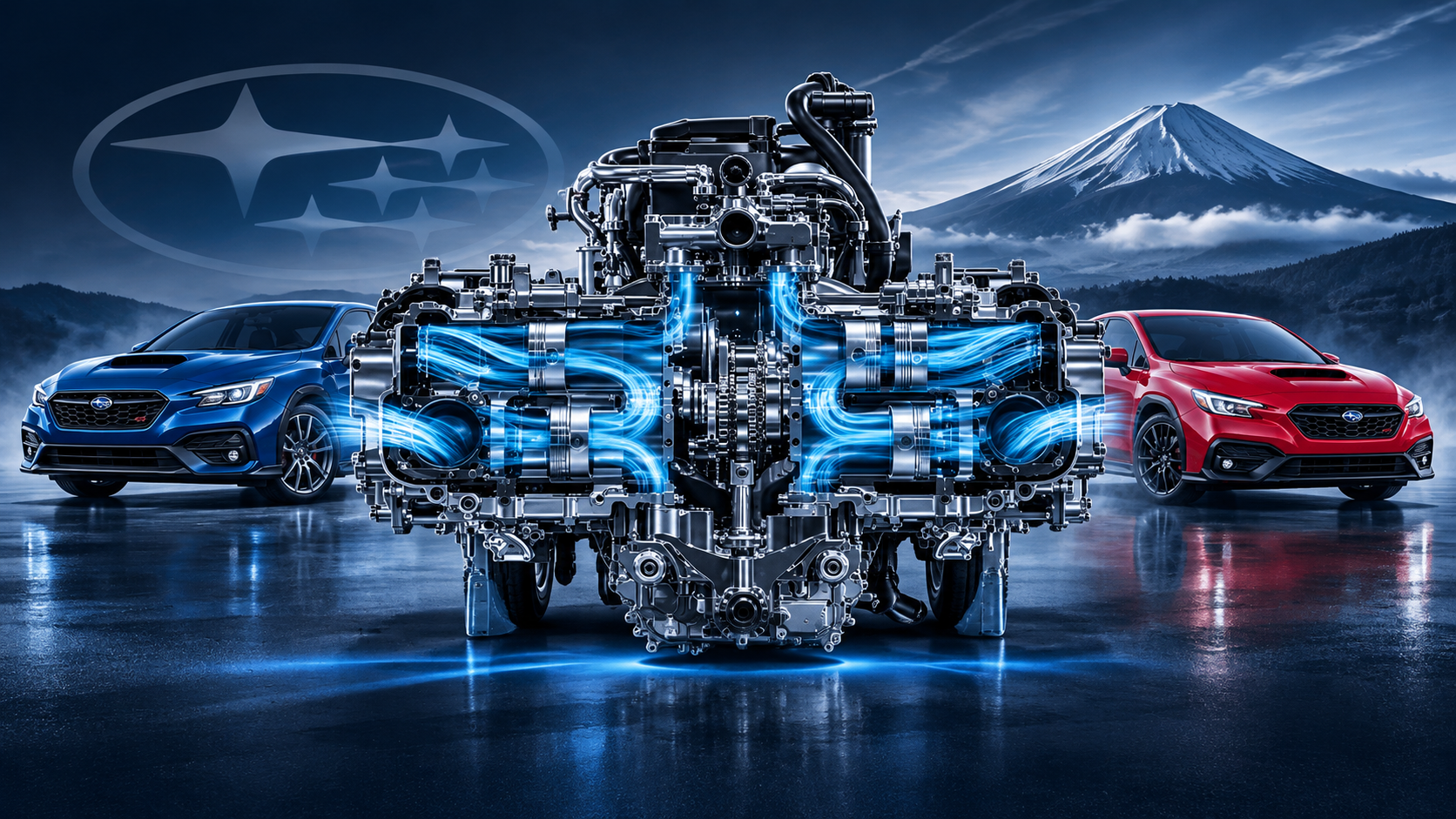
While much of the automotive industry is shifting entirely to electric vehicles, Subaru is not turning its back on its roots. The Japanese brand, famous for its symmetrical all-wheel drive and horizontally opposed Boxer engines over the past six decades, is tackling a bold new engineering challenge. Engineers are currently developing a new generation of engines with a nearly unbelievable goal: reaching 50 percent thermal efficiency.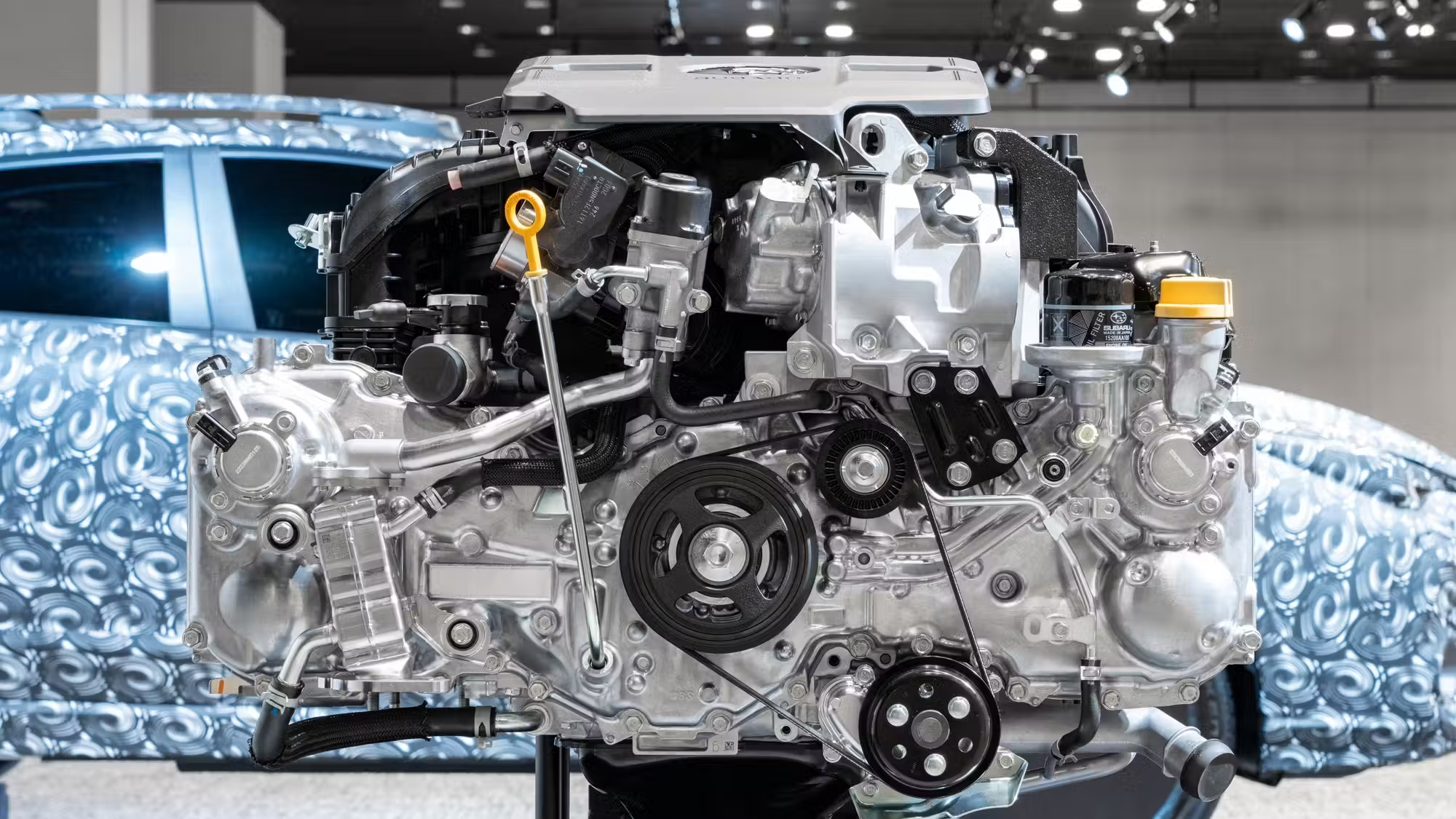 Thermal efficiency is simple to measure, showing what percentage of fuel energy actually turns into forward movement. Most standard petrol engines reach only 30 to 35 percent efficiency, while newer hybrid units push past 40 percent. Competition in this field has heated up, especially with Chinese manufacturers. Dongfeng achieved 45.18 percent, while Chery aims for 48 percent. Subaru’s goal is to hit 50 percent without giving up its signature flat engine layout.
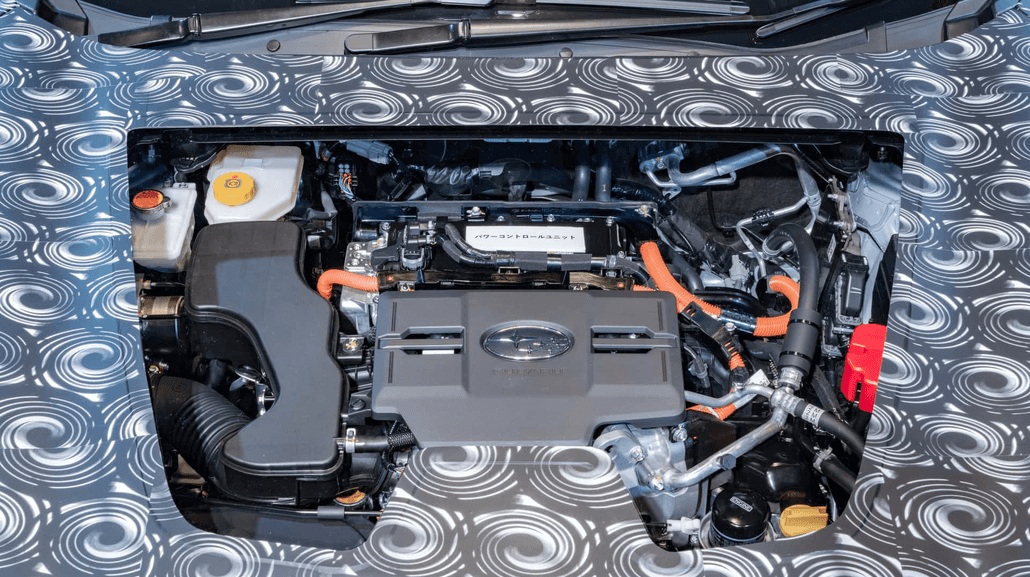
This layout creates the main engineering puzzle. To boost efficiency, standard engines usually use a longer piston stroke, but a Boxer engine's pistons move horizontally. Extending the stroke would make the engine too wide to fit under a normal car hood. Because of this, engineers skipped that path and focused heavily on airflow and the combustion process.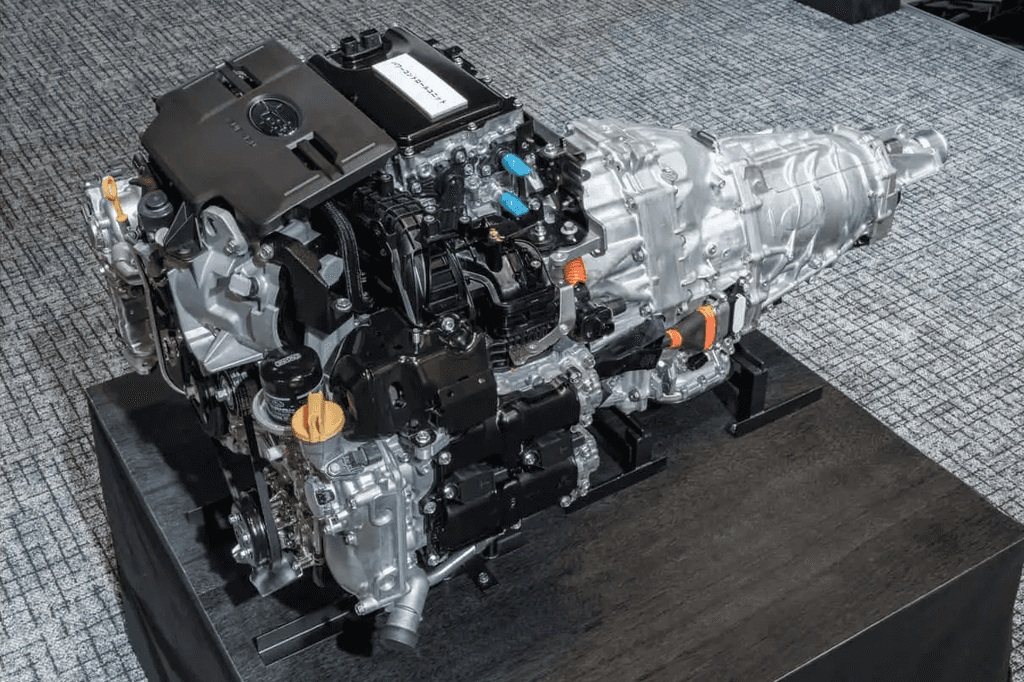
The new prototype features narrower, straighter intake ports to sharply increase airflow speed and improve fuel mixing. To handle pressure drops caused by narrow ports, a turbocharger is included. Alongside this, 3D digital simulations are used to prevent engine knock, while testing variable geometry turbines, the Miller combustion cycle, and pre-chamber ignition. As a result, the engine's high-efficiency operating range has already doubled compared to the previous hybrid generation.
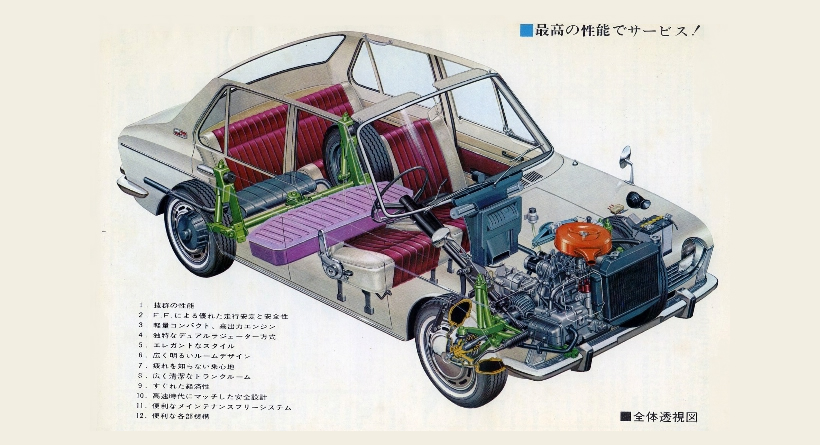
Behind this ambitious project lies a continuous 60-year history that started on May 14, 1966, with the launch of the compact Subaru 1000. Horizontally moving pistons, resembling a boxer's punches, gave cars a low center of gravity, exceptional balance, and minimal vibration. Paired with symmetrical all-wheel drive, this architecture secured three consecutive World Rally Championship titles for Subaru from 1995 to 1997, while total engine production has surpassed 16 million units.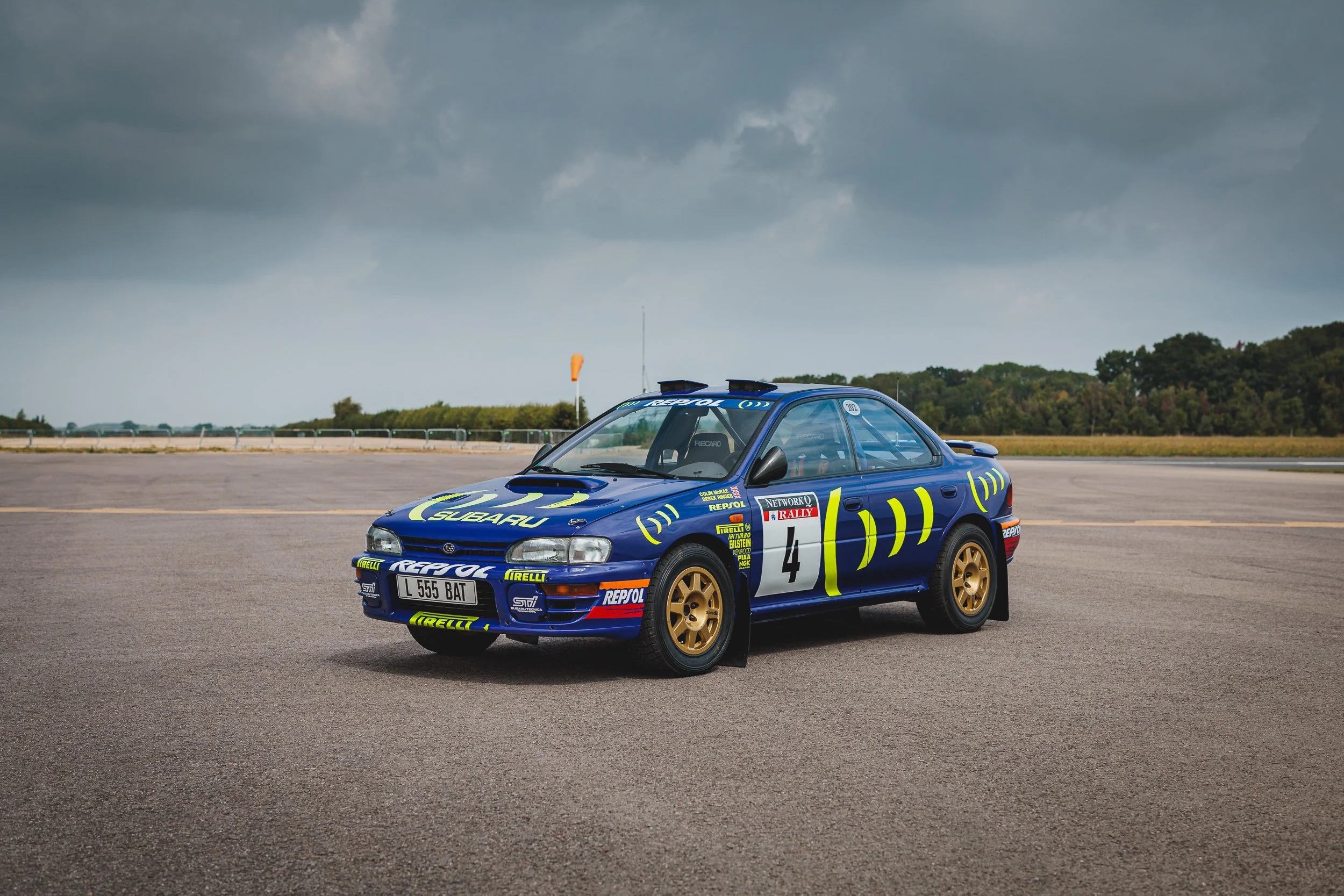 Today, as internal combustion engines remain in demand across North America, Asia, and Australia, Subaru is taking its 2024 hybrid system a step further. The push toward 50 percent thermal efficiency proves that, alongside hybrid tech and synthetic e-fuels, traditional engines still possess room for growth. Sixty years after the Subaru 1000, the Japanese brand demonstrates that true innovation does not mean abandoning the past it often means adapting legendary ideas to future challenges.