Georgian
 English
The tension in the Strait of Hormuz shows us again how fragile the world economy is when energy shocks happen. The 1973 oil crisis put the American car industry in a very hard situation and opened new doors for Japanese car makers. Today, more than fifty years later, the industry faces a similar challenge. However, this time, electric cars, global supply chains, and different sources of energy change the rules of the game in a big way.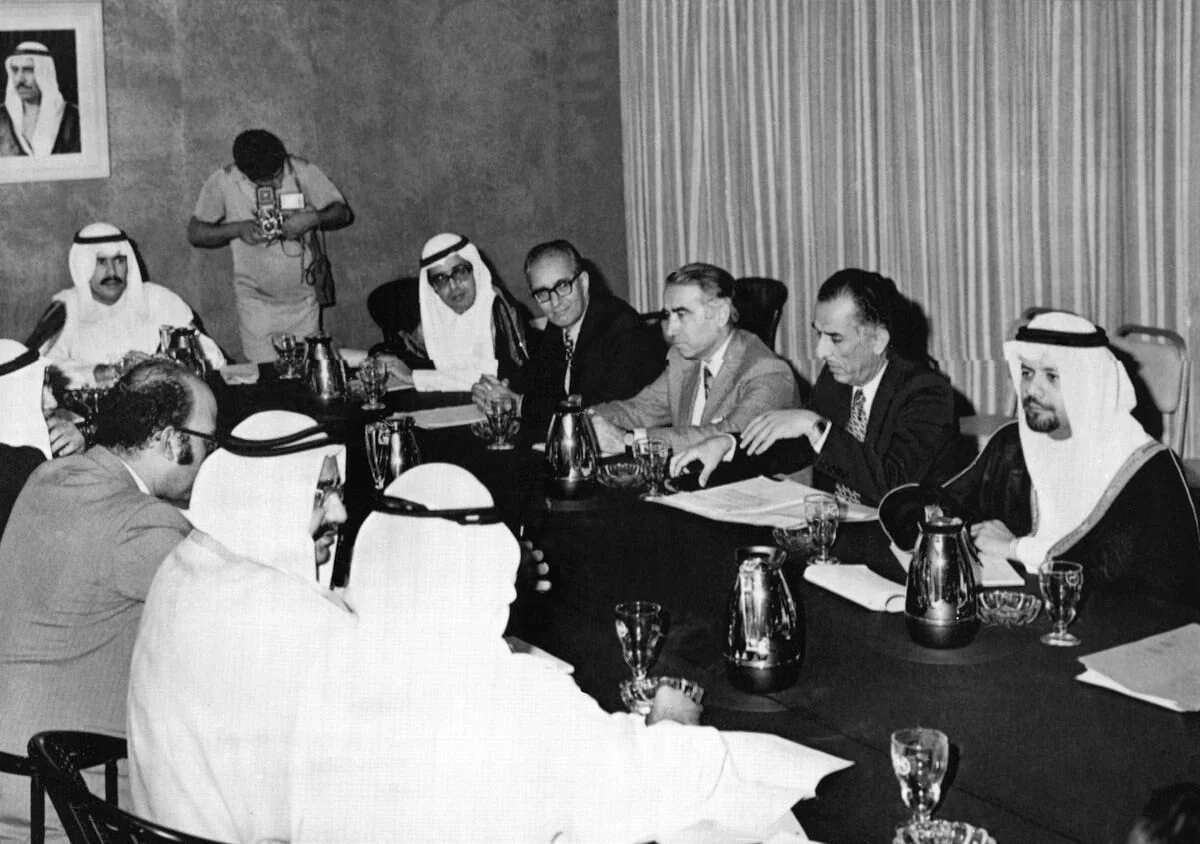 In the autumn of 1973, the world saw clearly that depending on oil is not just an economic question. It is one of the most important factors for a country's stability and industrial growth. Political trouble in the Middle East shook the energy market, and fuel shortages hit American car makers the hardest.
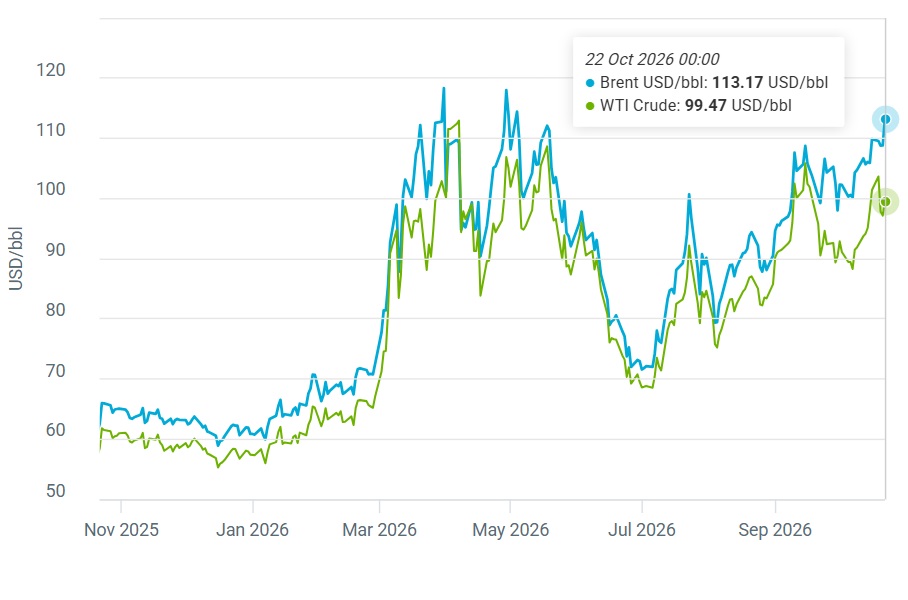
 In 2026, the crisis around the Strait of Hormuz made this problem important again. Delays in oil transport and attacks on merchant ships increased uncertainty in the international market. On October 22, the price of Brent oil went over $112 per barrel. This was the highest price since May. Although today's situation is not an exact copy of the events of 1973, both crises bring up one important question: What happens when energy supply delays become a serious economic challenge for the car industry?
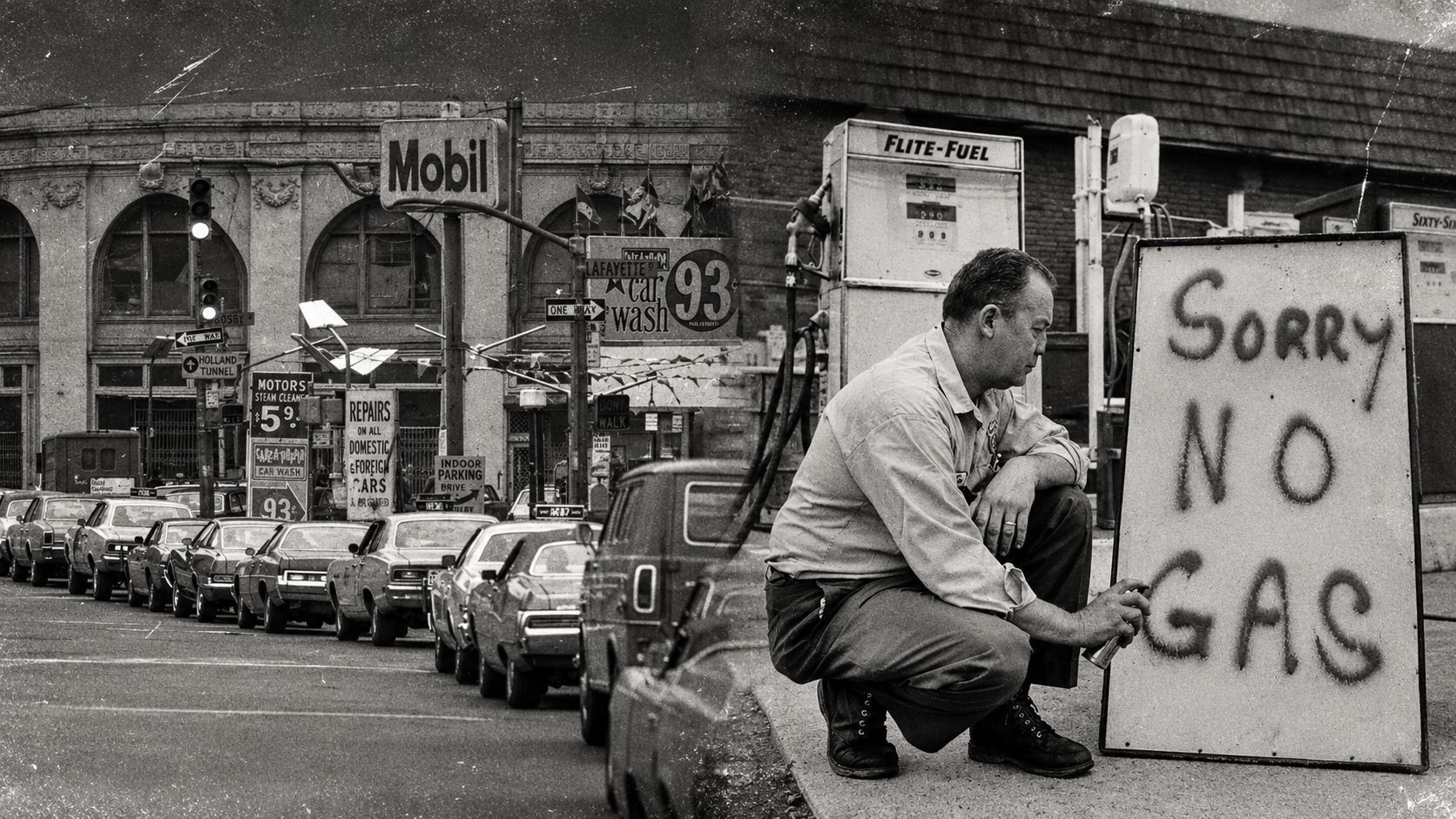
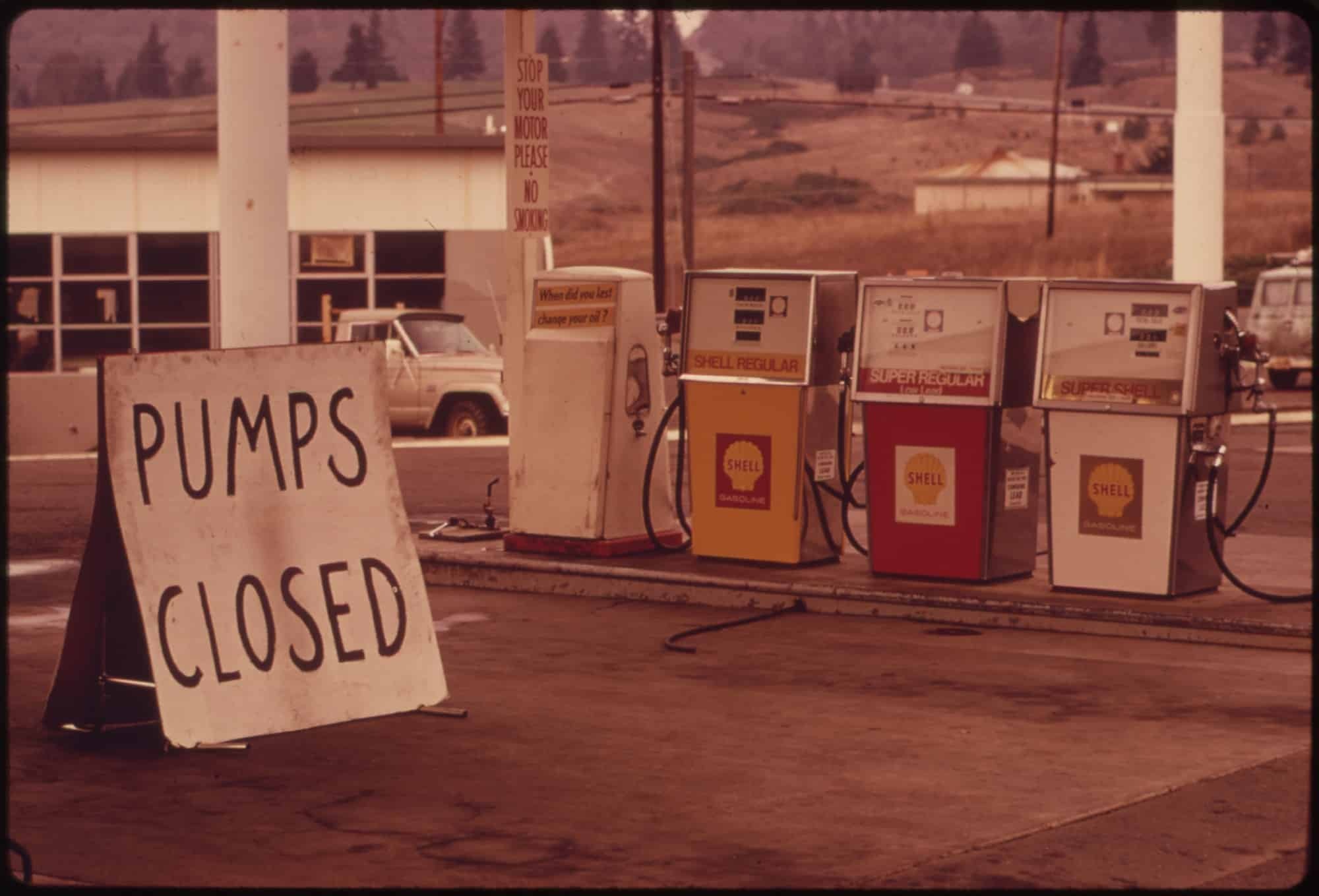
In October 1973, during the Arab-Israeli war, Arab oil-exporting countries put an oil embargo on countries supporting Israel. The restrictions affected the US and the Netherlands, among others. At the same time, oil-producing countries reduced production, which created extra pressure on a market that was already tense. The price of oil went up quickly. Fuel shortages created long lines at gas stations in the US, and in some places, limits were put on selling gas. The crisis became part of daily life and forced buyers to think again about their choice of cars. 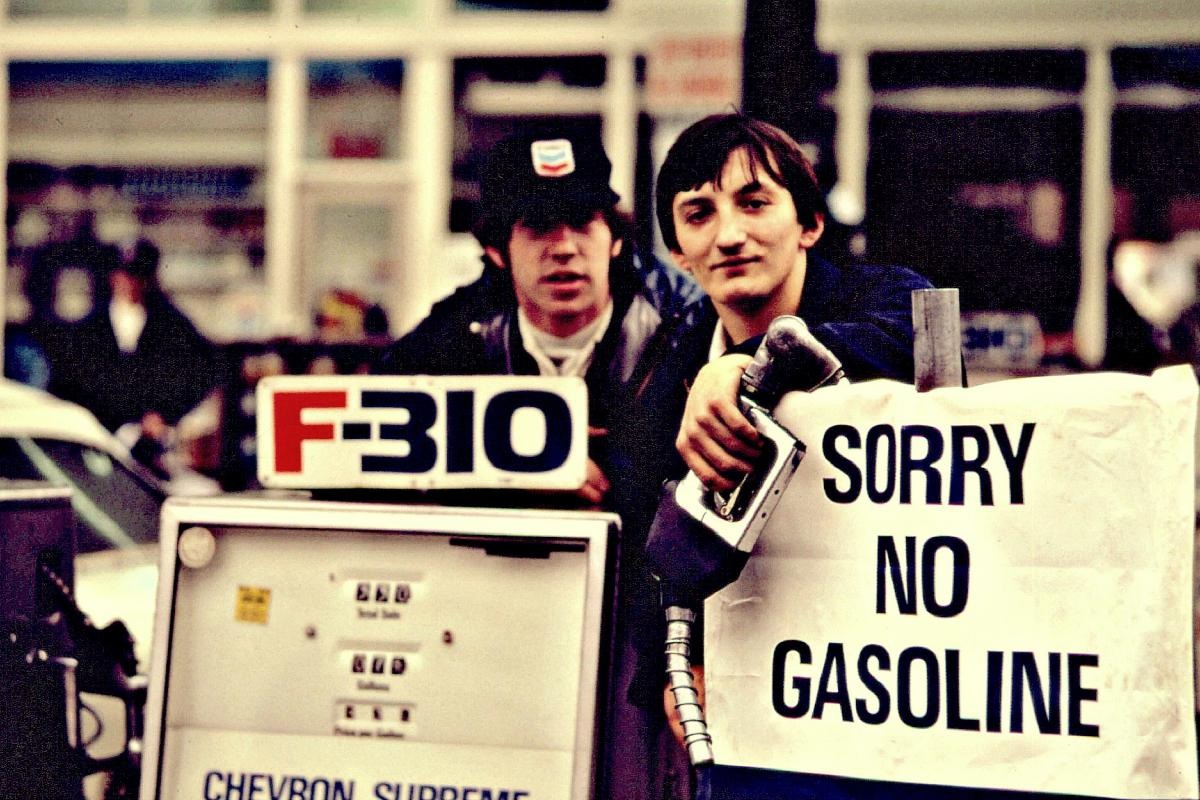 The American car industry was not ready for this change. General Motors, Ford, and Chrysler made cars with big engines for decades. It was part of American culture, and buyers did not care about fuel economy. American cars were big, comfortable, and strong. When fuel became expensive and hard to get, fuel economy became more and more important to buyers. This change showed up in production numbers too. Historical records show that the number of cars Chevrolet made in the US dropped from about 2.58 million in 1973 to 1.76 million in 1975. This was a big drop, but production did not go down to 823,000 units, as some secondary sources might say.
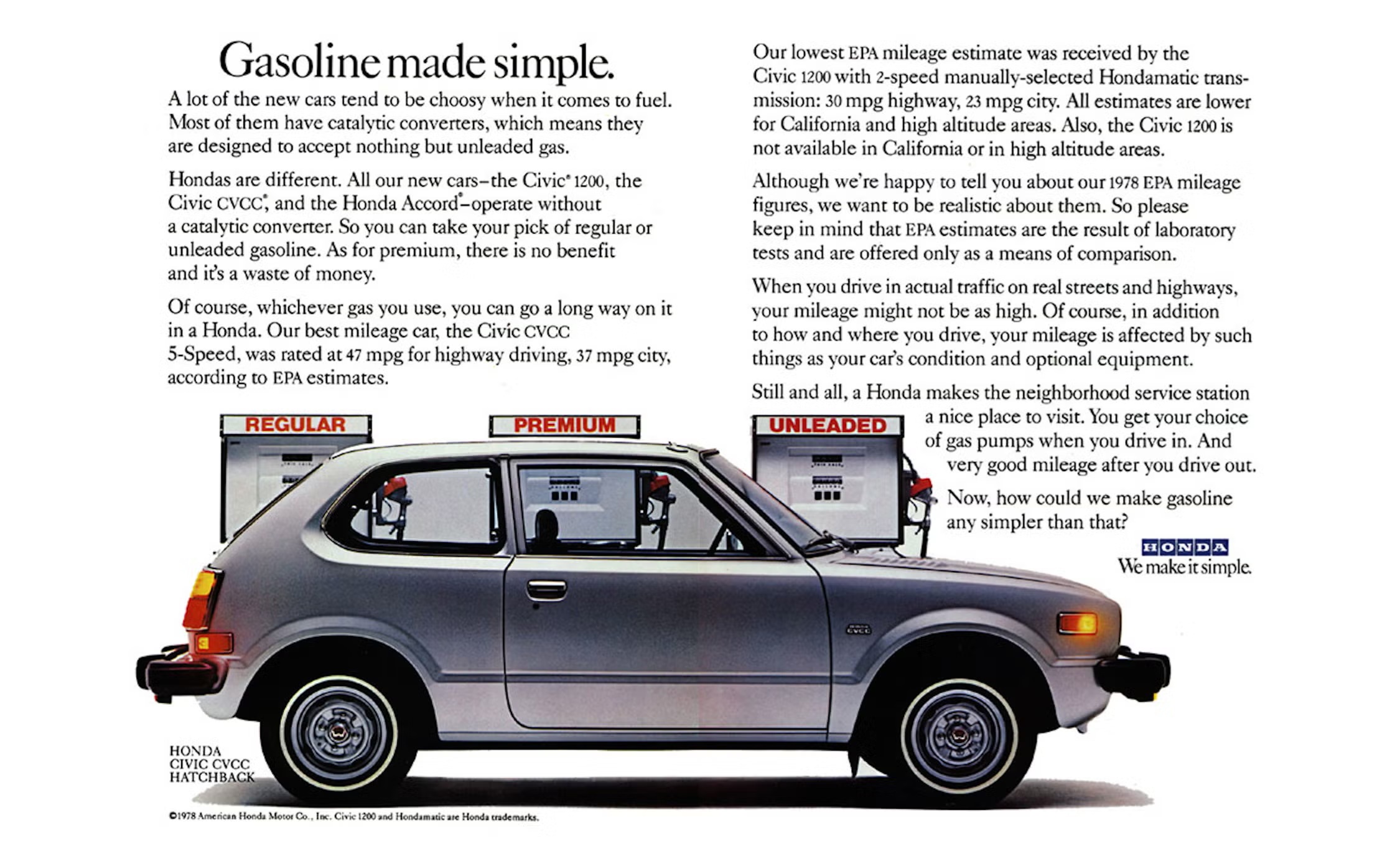
 The results of the crisis were not limited to lower production. American makers had to solve several problems at the same time: growing demand for fuel-efficient cars, controlling production costs, and competing with companies that already had good experience in this area. The problems of American makers created new opportunities for competitors. Japanese companies, especially Honda and Toyota, made their position in the US market stronger by offering economical and relatively compact cars. One of the clearest examples was the Honda Civic. Introduced in the US in 1973, the Civic came to the market right when fuel economy was getting special importance for buyers. According to official historical materials from Honda, sales of the model in the US grew from 43,119 units in 1974 to 100,000 in 1975.
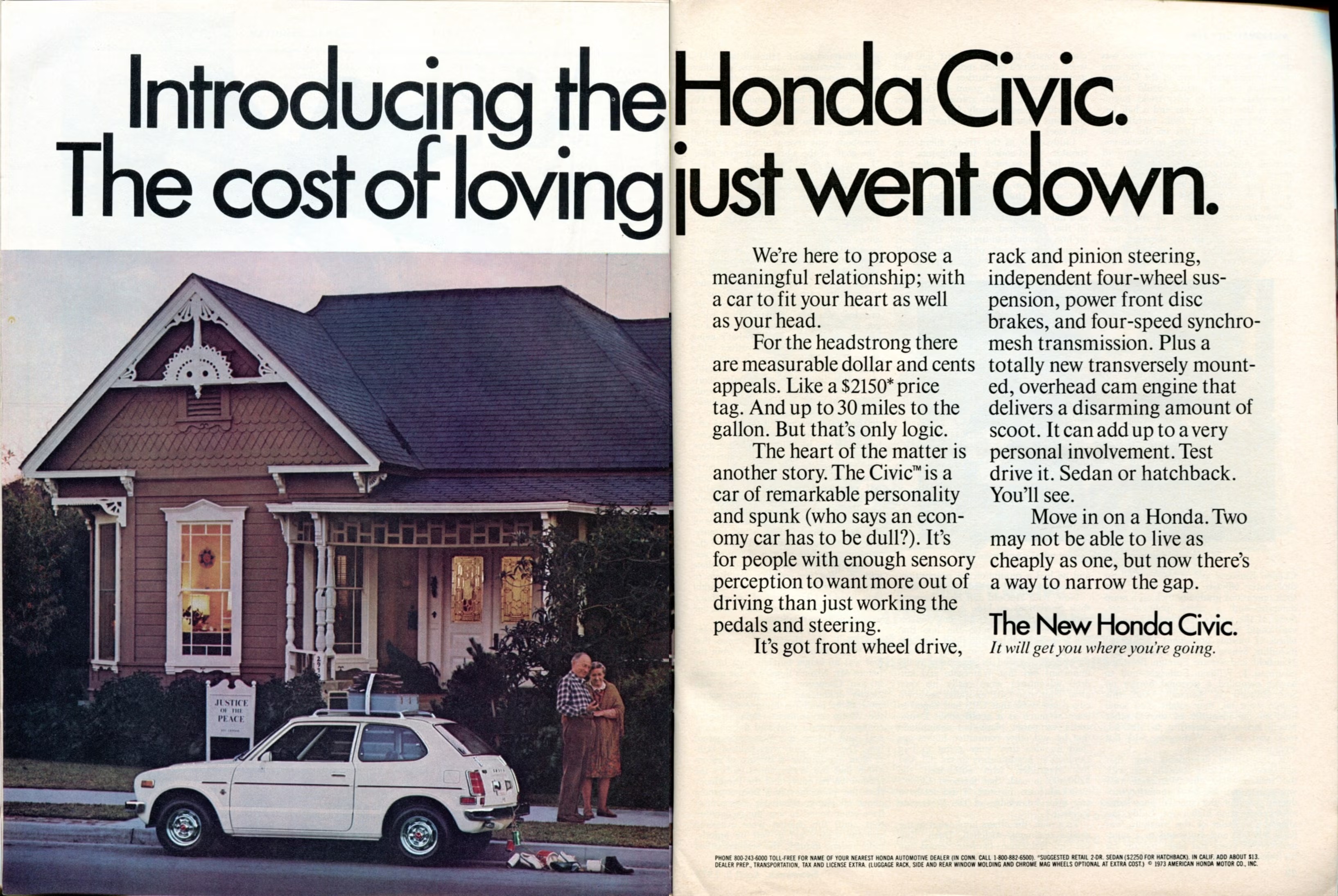 The success of the Civic cannot be explained only by the oil crisis. Its fuel economy, construction, and Honda's CVCC engine technology which helped meet US emission rules were very important. These factors gave the company a competitive advantage while American makers were trying to adapt their own models. The oil crisis did not just change car sales. It rearranged buyer priorities and gave part of the competitive advantage to makers who could better satisfy new needs. This was one of the important lessons the auto industry learned from the 1970s: market leadership is not permanent. An energy shock can change the criteria buyers use to choose a car in a short time.
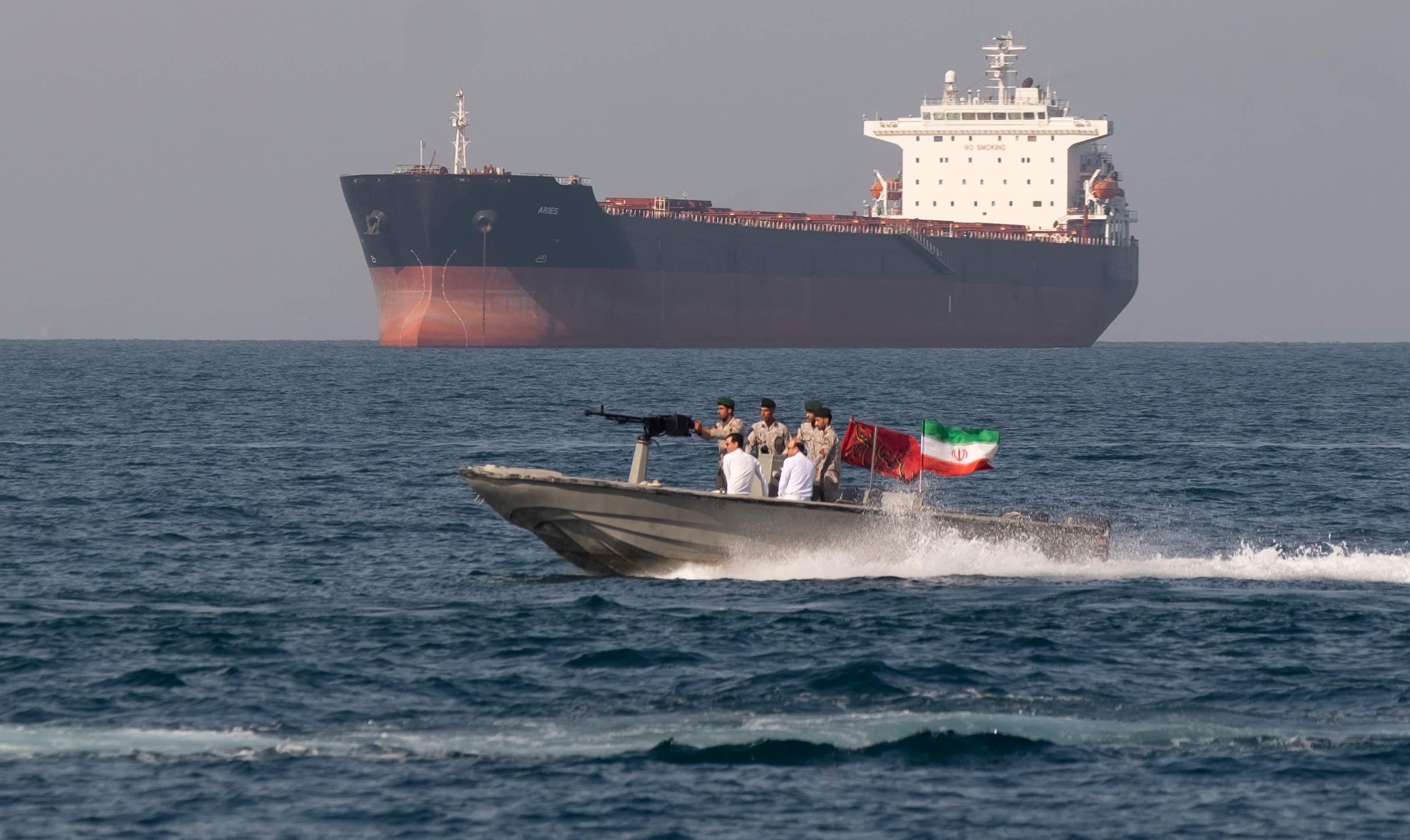
2026: The Strait of Hormuz and Energy Uncertainty - The crisis today has a different size and character. The Strait of Hormuz connects the Persian Gulf to the Gulf of Oman and is one of the most important sea routes for international energy trade. Significant volumes of oil and liquefied natural gas are transported through this way. Delays in shipping in the strait are not just a local problem. When tanker movement is in danger, energy suppliers have to find alternative routes, transport costs go up, and planning timely delivery becomes difficult.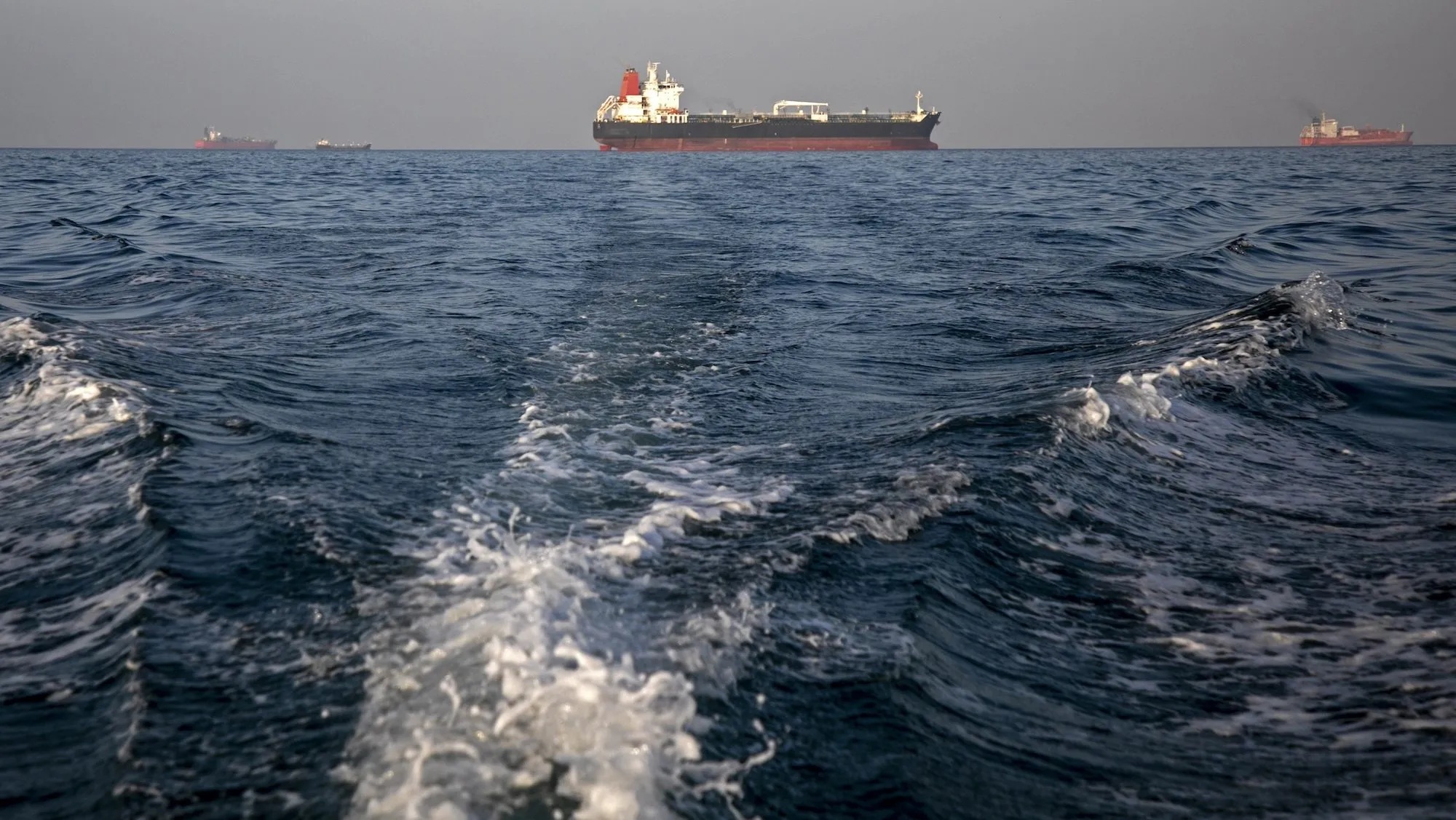 According to Reuters on October 8, 2026, oil shipments through the Strait of Hormuz dropped by 27% compared to the peak of the war period the week before and totaled at least 10.1 million barrels per day. This was about 74% of the volume before the war. At the same time, alternative exports through the coast of the Gulf of Oman and the Red Sea grew, which filled part of the loss. Even so, risks stay high. According to Reuters on October 23, the number of attacks on commercial ships in the Strait of Hormuz and nearby waters reached a record number in October. This situation increases uncertainty about both energy supply and shipping costs. It is important to see the difference between a total block of the strait and a sharp delay in shipping. Shipment volume can drop even when the sea route is formally open. The threat of attacks on ships, insurance costs, changing routes, and operational delays are enough to make the supply chain more expensive.
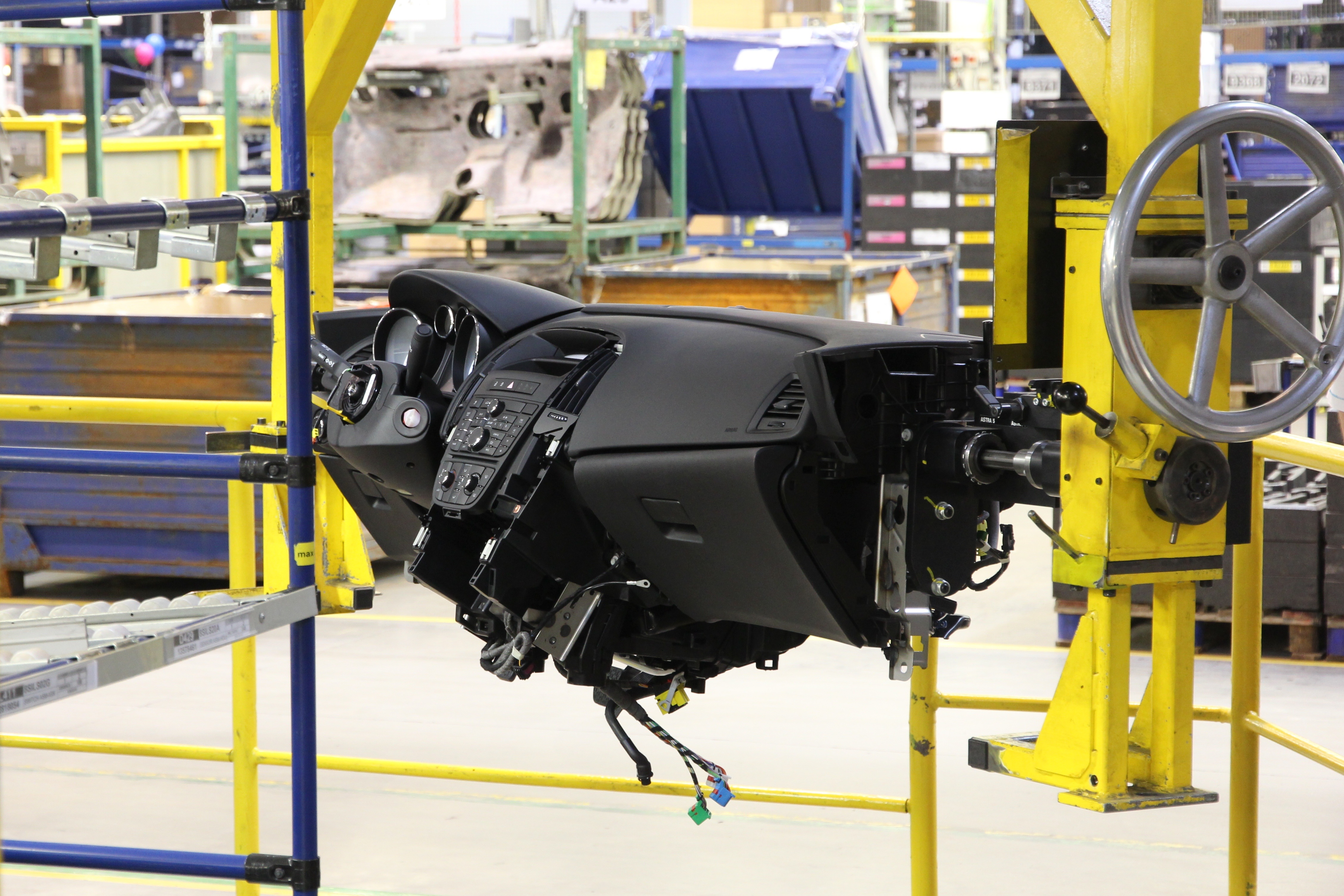
 How Does the Crisis Affect the Car Industry? The rise in oil prices does not affect car makers in just one way. The impact spreads in several directions. First, higher prices for gasoline and diesel force buyers to consider daily running costs, not just the initial price, when buying a car. If high fuel prices stay for a long time, an increase in demand for economic models and hybrids is expected. Second, production costs go up because a modern car consists of thousands of components. Oil is used not only for transport, but also in production for plastics, synthetic materials, paints, tires, and others. Therefore, an energy crisis can raise component costs for car makers. Finally, delays in sea shipping increase the time and costs needed to bring parts to factories, which can lower profit margins or change production schedules.
Electric Cars: Solution or a New Form of Risk? - Unlike the crisis of 1973, the modern auto industry is in a transition stage of electrification. Electric cars reduce direct dependence on oil, but they are not completely protected from energy crises. Higher electricity prices automatically affect charging costs, while battery production still depends on global raw materials and supply networks. Nevertheless, electrification and diversification of energy sources give companies long-term stability.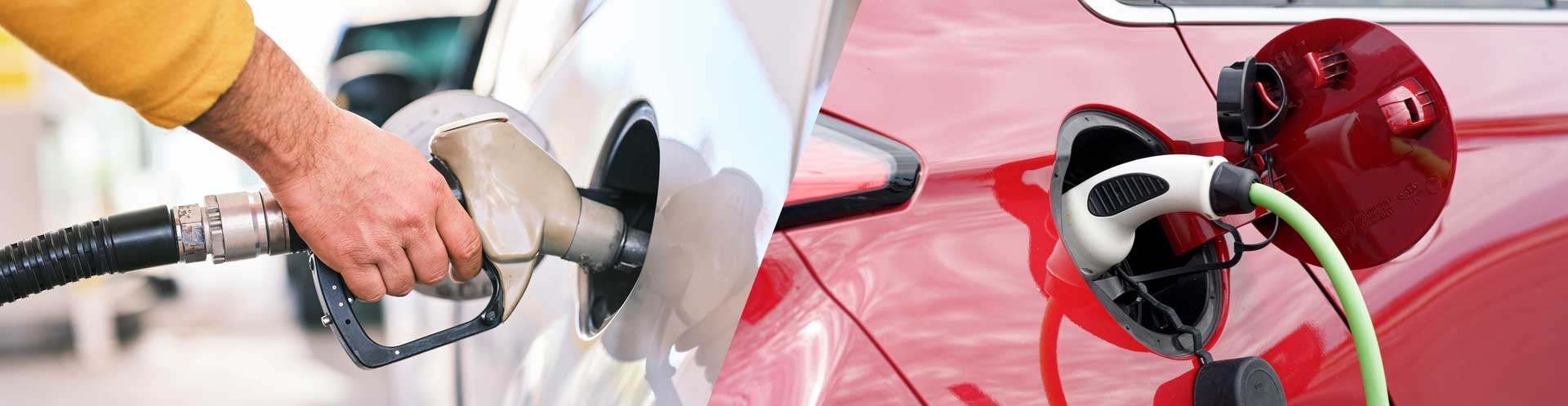
Conclusion - The 1973 oil crisis taught the auto industry the value of fuel efficiency. In 2026, the main lesson is broader: to stay competitive, car makers need not only efficient cars, but also business models that are strong against energy and logistics shocks. Energy independence is not limited to one specific technology it is necessary to create a flexible system where a delay in one route or resource cannot put the whole industry in a critical situation.