Georgian
 English
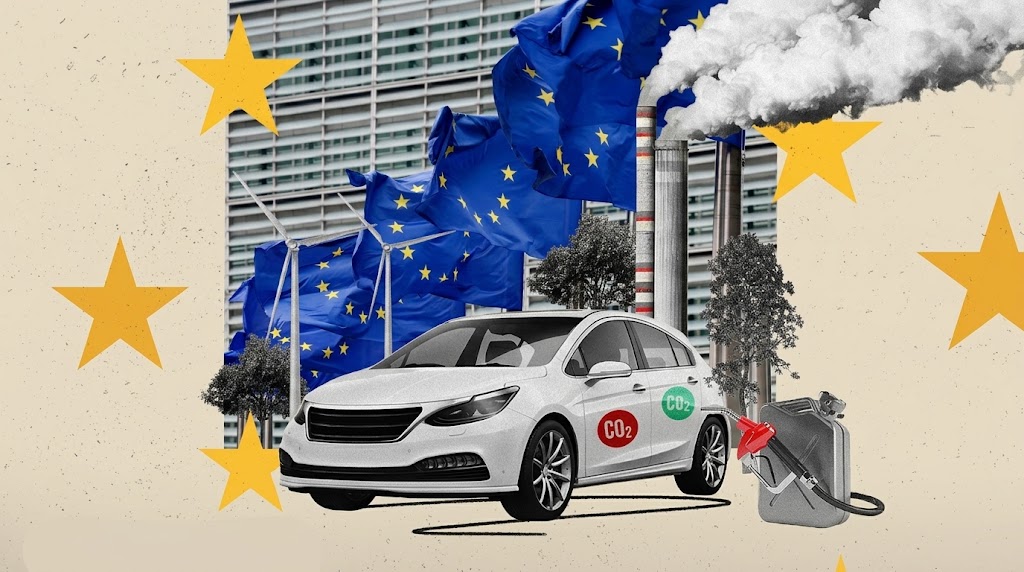
Major changes are happening in the global auto industry and European law. The ambitious plan set at the start of the decade, which aimed to completely ban gas and diesel cars by 2035, is changing as it faces reality. The European Commission originally wanted to cut new car emissions by 100 percent, but that goal is slowly softening. The latest agreement among main political groups in the European Parliament gives carmakers more flexibility. The European People's Party, Socialists and Democrats, and Renew Europe reached a compromise that shows a notable shift in EU environmental policy. Under the new proposal, average emissions from new cars must drop by 87.5 percent by 2035 compared to 2021 levels. This target is softer than the Commission's December 2025 proposal of a 90 percent reduction. The new deal allows carmakers to offset part of their emissions by using "green" steel produced in the EU. This mechanism supports European steelmakers while leaving real space for hybrids and traditional combustion cars to stay on the market after 2035.
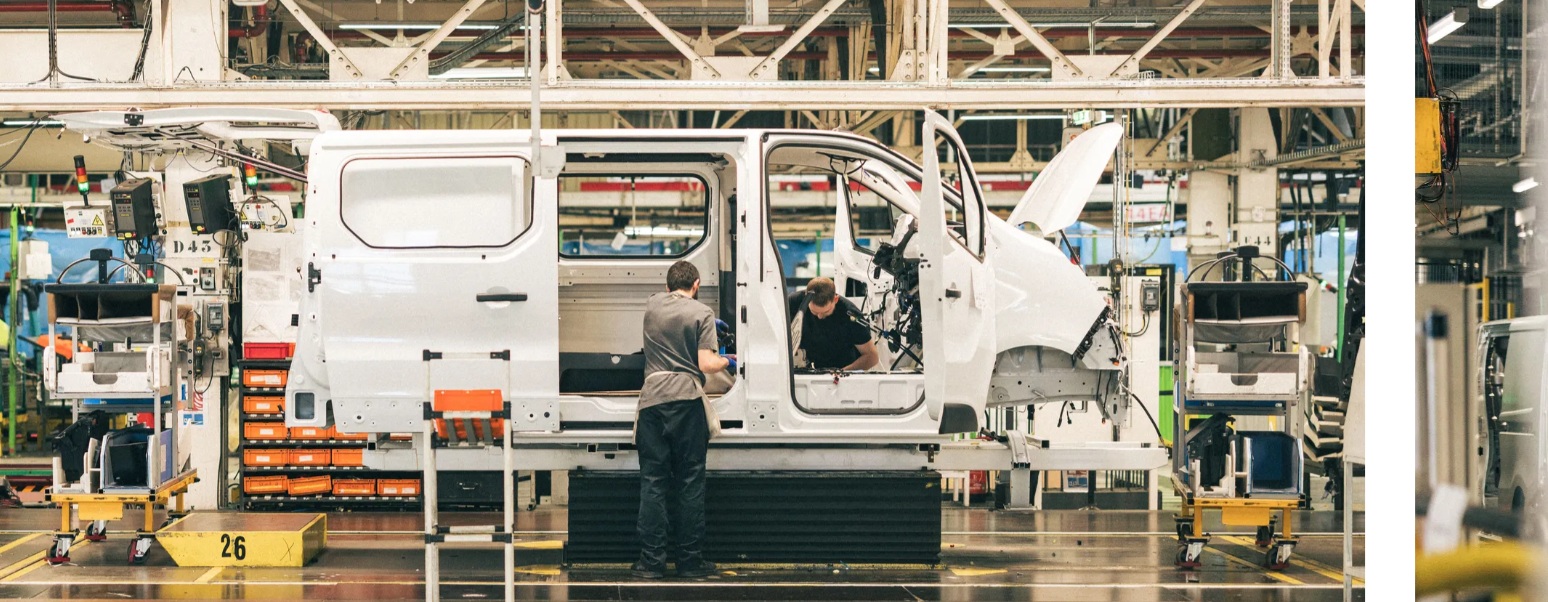 The original rule passed in 2023 required a 100 percent reduction by 2035, which effectively meant an end to producing and selling combustion engines. However, pressure from big automakers and EU governments especially Germany and Italy - forced the European Commission to back down and compromise. The new deal also sets mid-term targets: cutting passenger car emissions by 55 percent and commercial van emissions by 35 percent by 2030. Plans also include support for affordable small electric cars, allowing local manufacturers to gain extra incentives that help them meet environmental rules more easily.
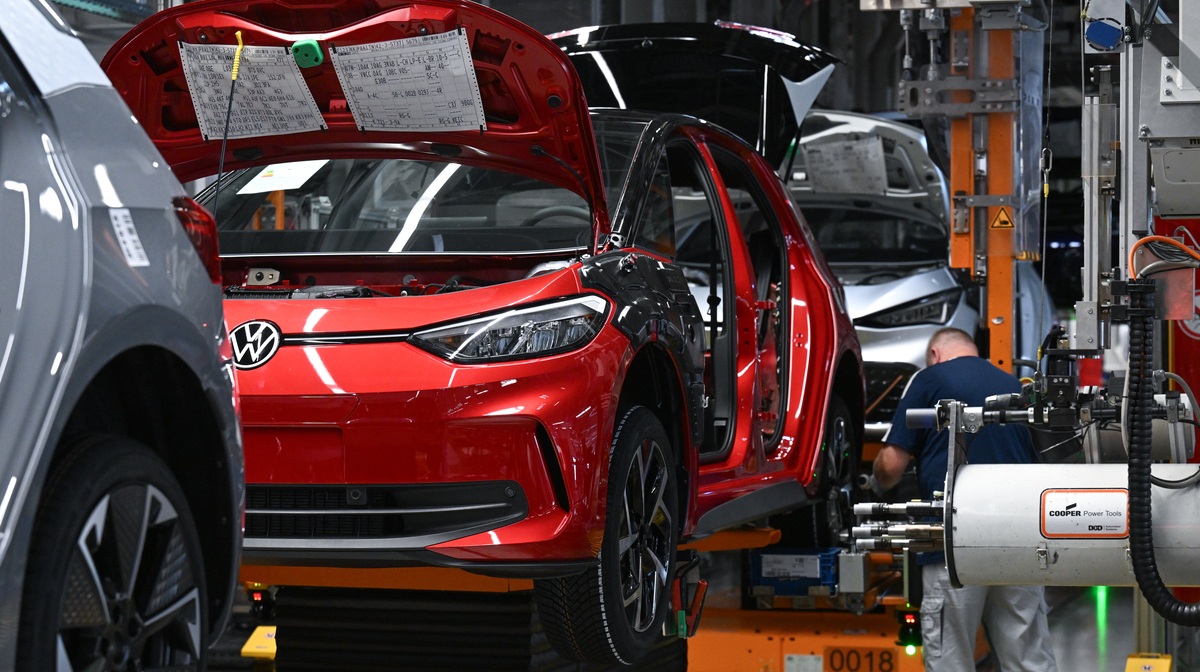 These developments have split opinion across car companies. Some global brands, like Sweden's Volvo and South Korea's Kia, strongly oppose easing the ban. Volvo stated that changing the plan risks damaging Europe's competitiveness, while Kia warned that changing course after heavy investments in electric vehicles will lead to huge financial losses. On the other hand, giants like Volkswagen and Renault called the new approach practical and sensible. BMW has a mixed view it supports keeping combustion engines alive, but believes that simply tightening CO2 limits is a superficial fix rather than a complete solution. At the same time, Toyota, which has doubted full electrification for years, maintains that switching only to electric cars is not the only answer, as the full manufacturing lifecycle of batteries can pollute even more than building hybrid models.
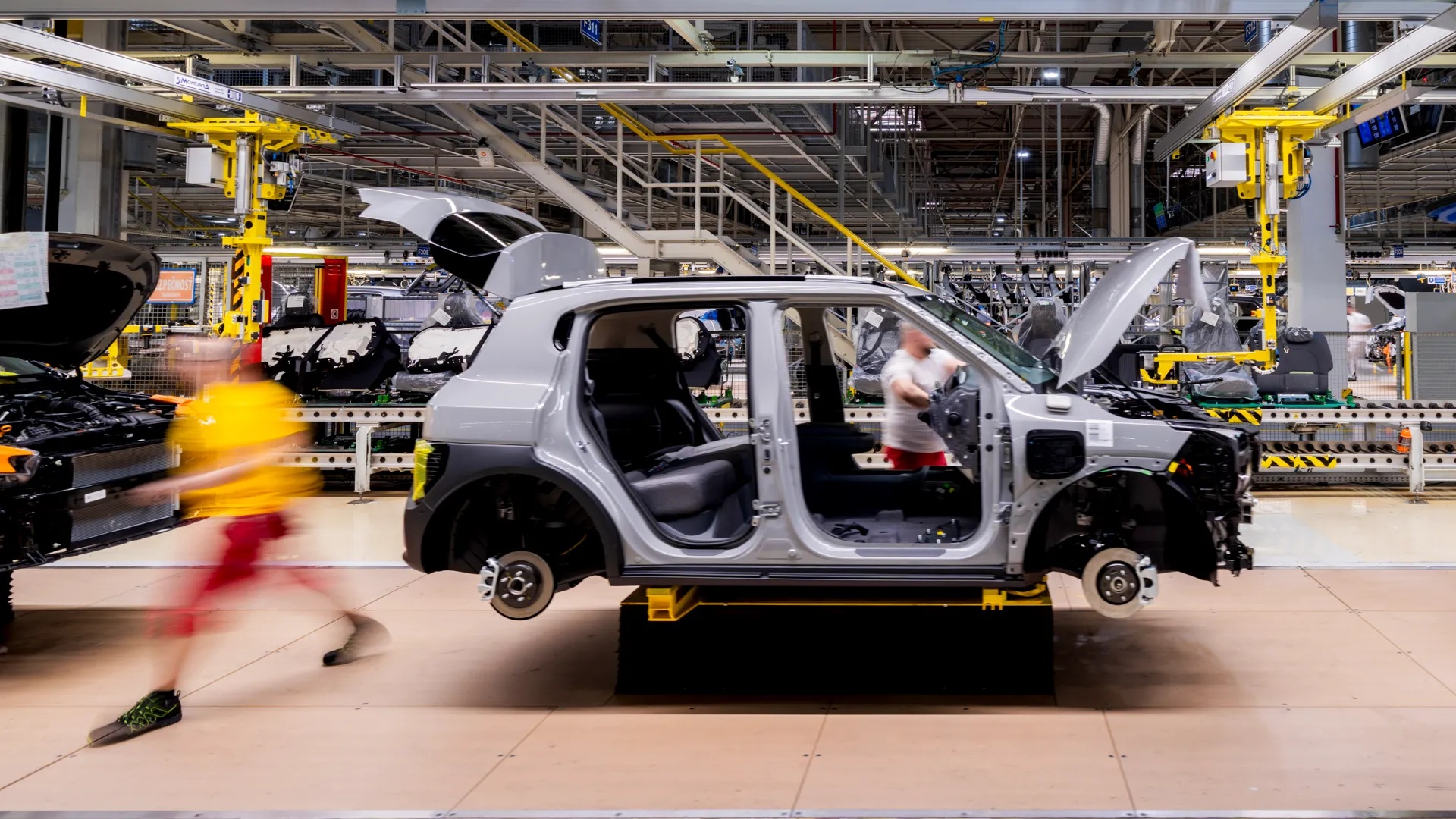 Although political groups have agreed on this deal, it still needs to become official law through the European Parliament and member states. Until then, the older, stricter rules remain on paper. Still, the overall direction is clear: the EU is stepping away from strict bans toward a flexible setup where electric cars stay the priority, but hybrid and combustion engines get to keep their place on the road.