Georgian
 English
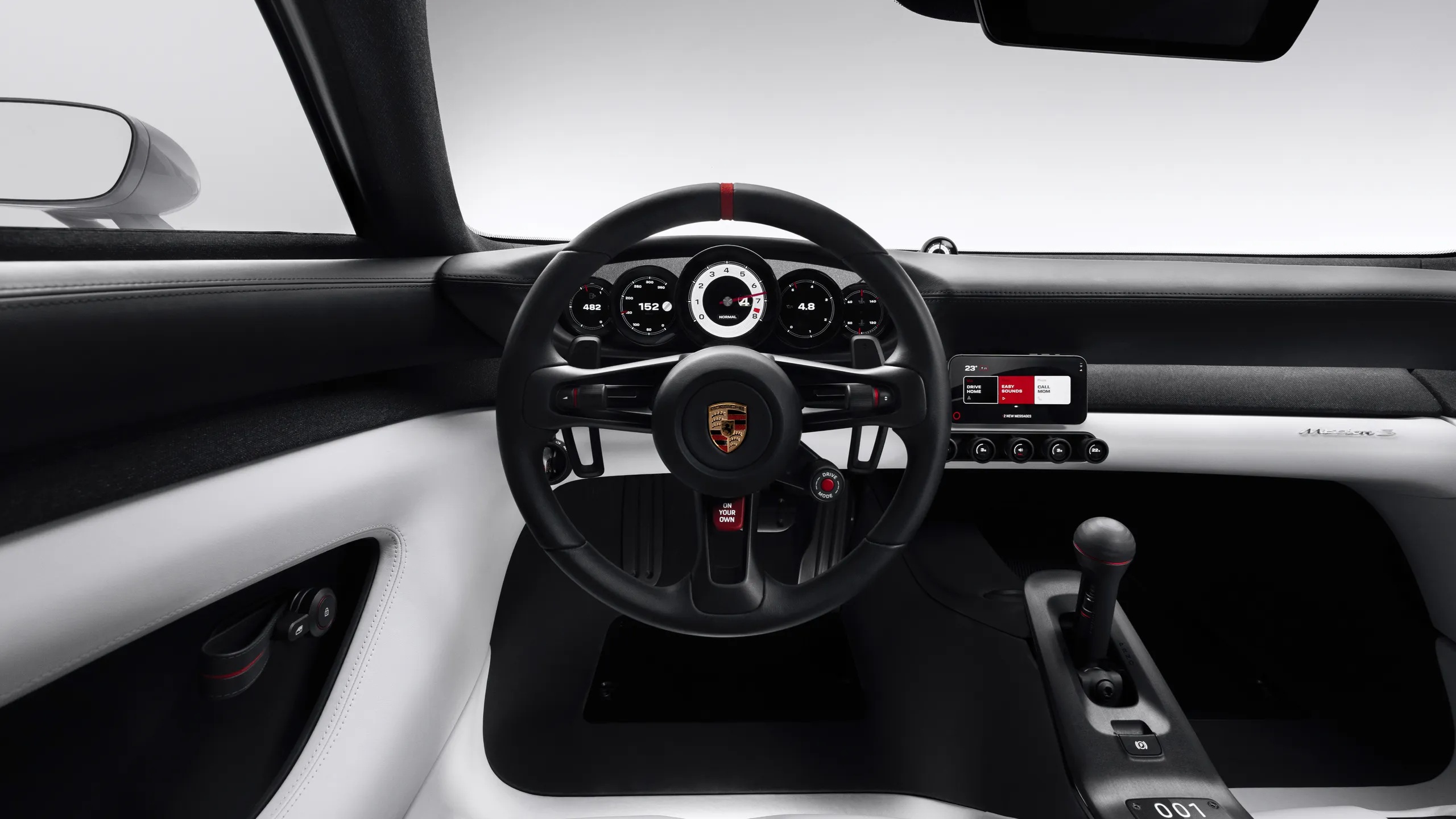
If you look inside a modern Porsche today, you will see screens everywhere. But the new Mission S is completely different. Years ago, screens in cars were a sign of high luxury and modern design. After a while, they just became annoying. Today, drivers want to escape from screens and find some peace. Many studies show that bringing back physical buttons is not only practical, but it also makes car design look much cleaner and better.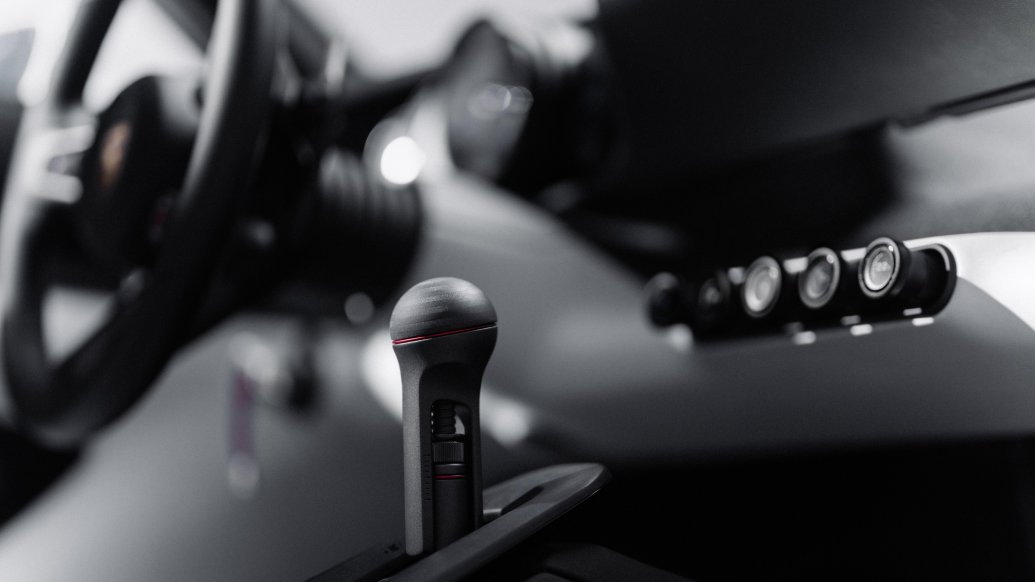 Because of this, digital detox is the new definition of luxury. If you do not believe it, just look at the new Porsche Mission S supercar. It does not have a built-in infotainment screen, and it does not have a digital tachometer either. It feels like we are back in the good old days, when sports car interiors were not full of monitors and the driver controlled everything.
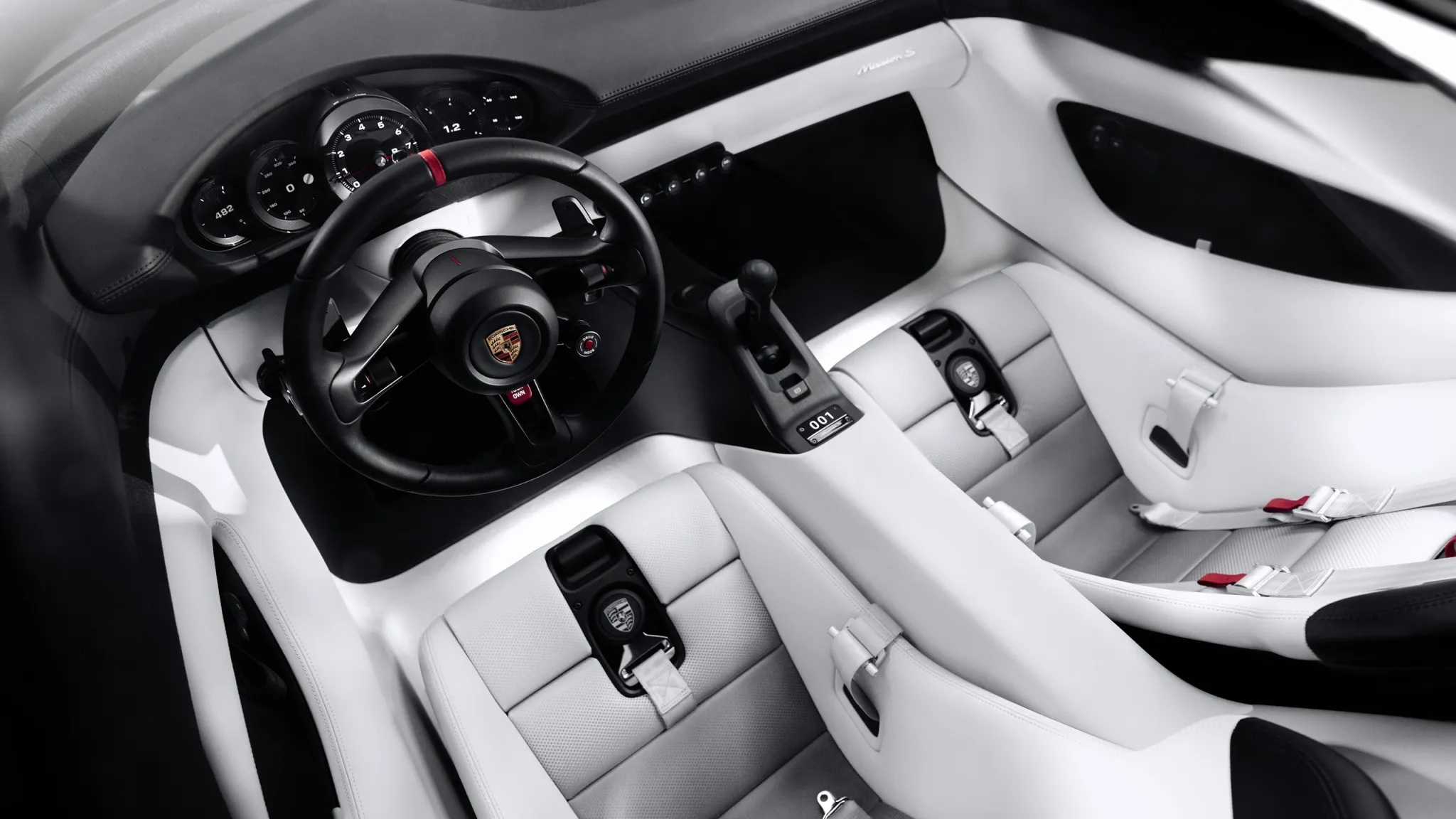
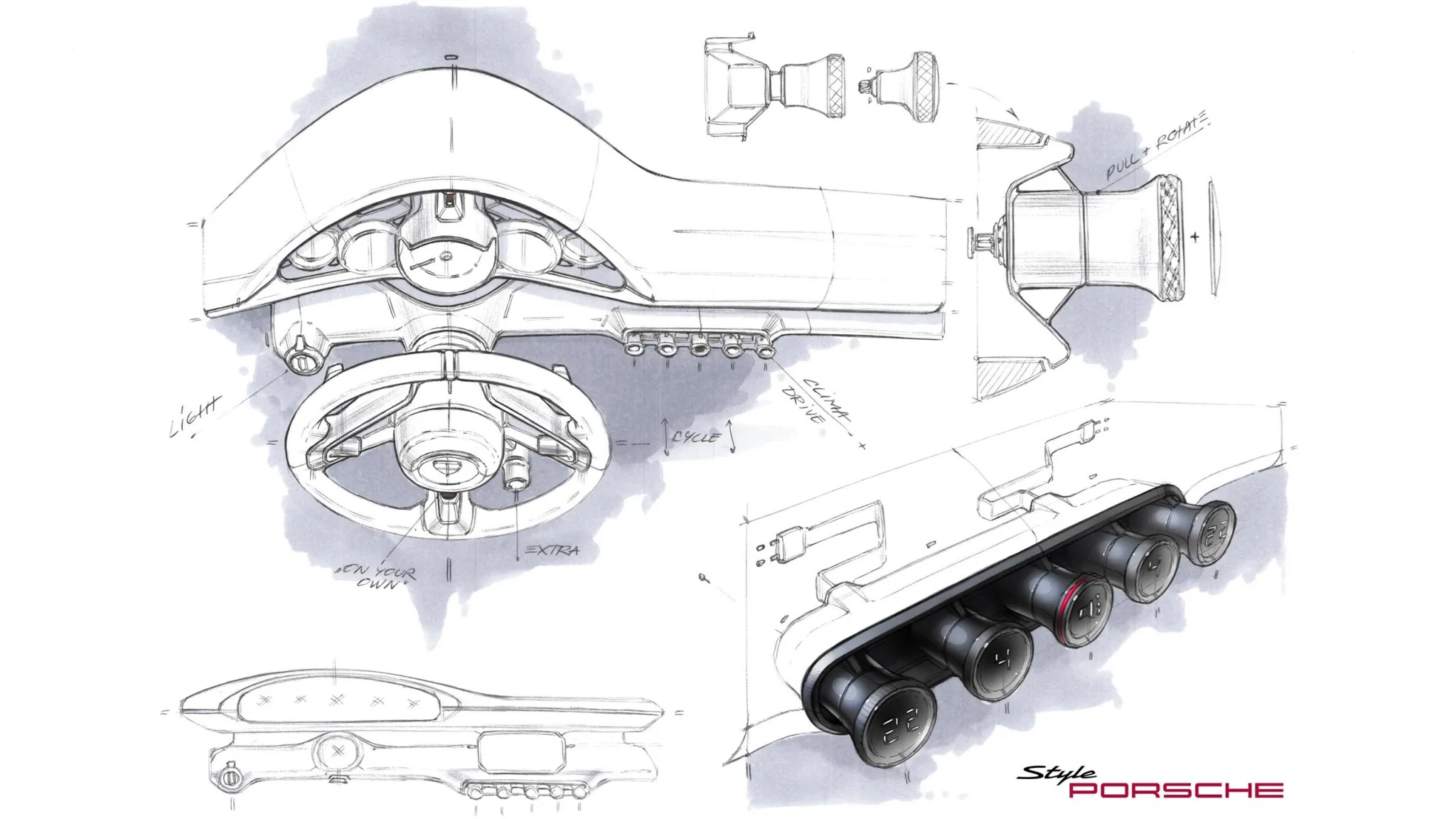
If you look for a dashboard like this in current Porsche models, you will not find it. This is a brand new approach. It follows a trend started by the very expensive Bugatti Tourbillon, with its watch-style gauges, and the controversial Ferrari Luce. You can argue about how the Luce looks on the outside, but its interior mixes technology and tradition in a very smart way. Porsche is thinking the same way with the Mission S. The company talks about a "mix of analog and digital controls," and you can see this in the five separate round gauges on the dash.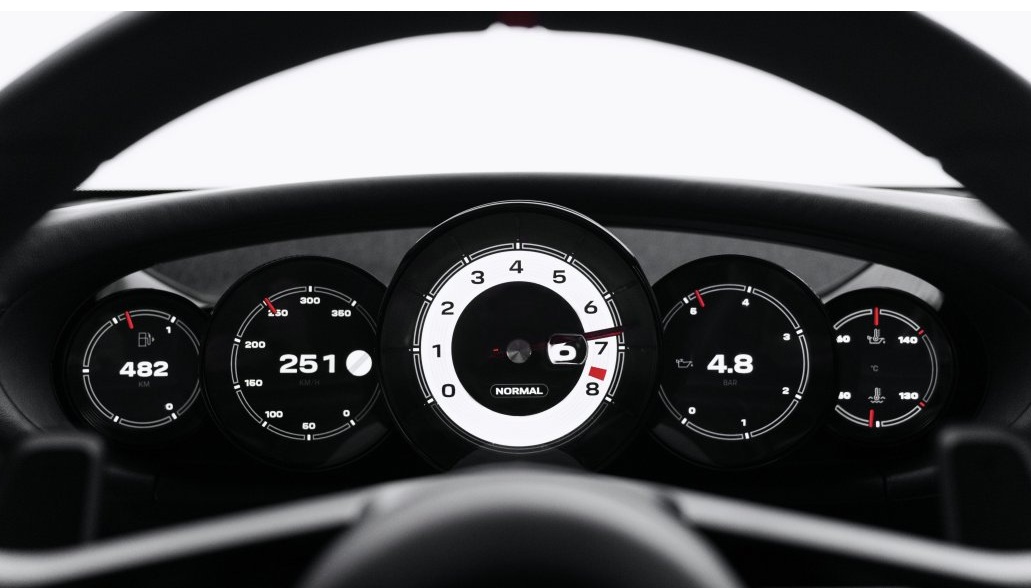
The main gauge in the middle is a tachometer with a real analog needle. However, a small part of the glass works like a magnifying glass to make the gear number easier to see. It is a very cool retro detail. Depending on the driving mode, the tachometer moves out toward the driver so it stands out from the other gauges. Making hybrid gauges like this is not as easy as it looks. The screen quality must be very high, and it needs to be an OLED panel to get perfect black colors without light bleeding. Porsche does not say what technology they use, but it has to be OLED. This reminds me of a chat I had with Jean, the owner of Usual Suspects Garage, who works on German performance cars. He is building a plug-in digital gauge set for older E28 and E30 BMWs, and he told me that choosing the right display was the hardest part of the project.
Will we see this trend in cheaper cars too? Maybe. Instrument clusters slowly went from half-digital to fully digital in the past. Once screens became cheaper than physical parts, car companies changed their minds. This is why Mate Rimac says the supercar market is now in its "Swiss watch phase." Today, traditional craftsmanship is more important than the newest software and digital features. We can see the same idea in the new Alfa Romeo Cuorerosso, a 2+2 grand coupe. It has a central screen, but it sits under a stylish, mirrored console so it practically disappears when you are not using it.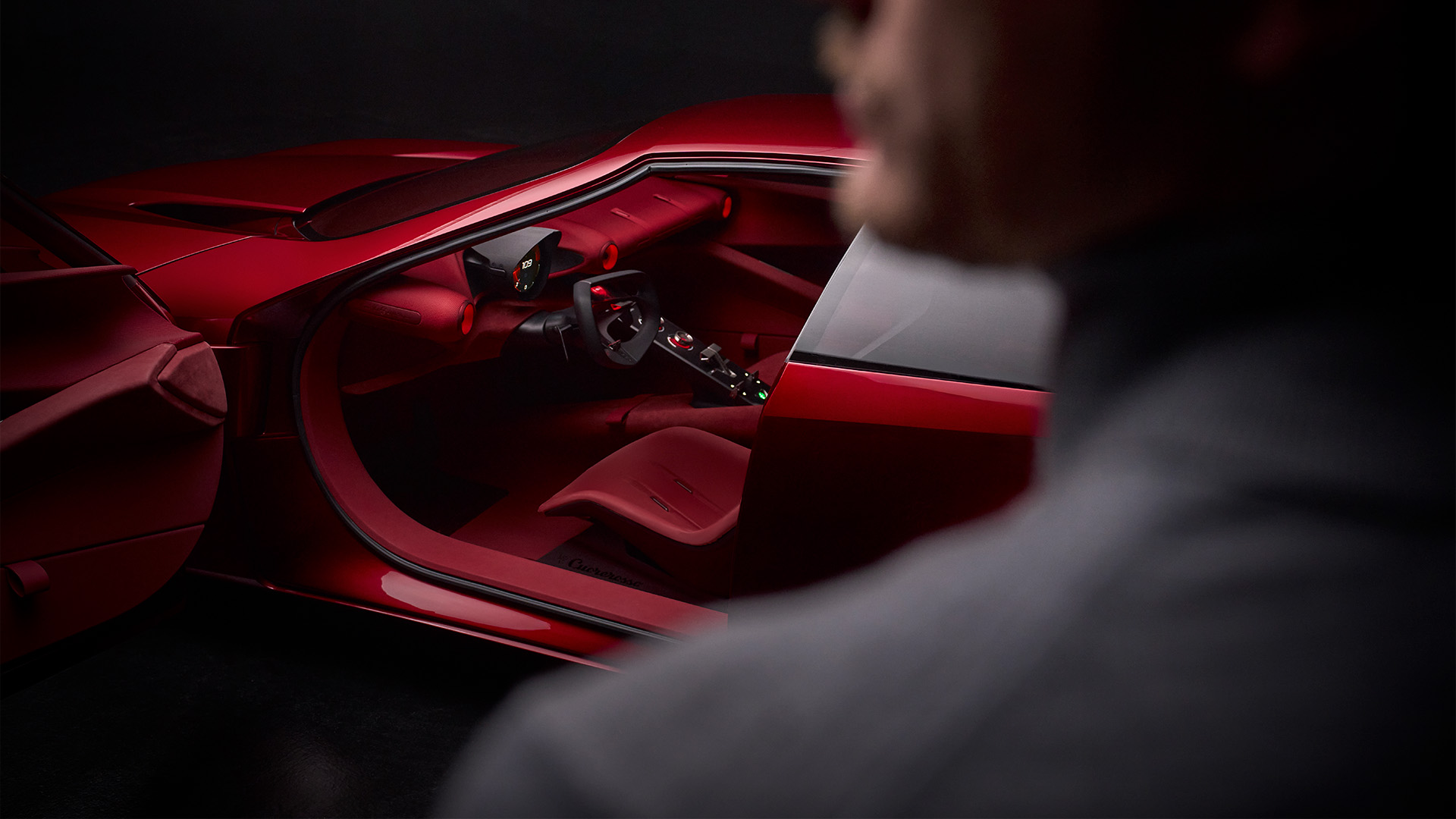 The Mission S does not even have that. Personally, I think asking someone who buys a half-million-dollar car to put their smartphone on the dash every time is a bit too much. A small screen for the most important information would still be useful. Even so, Porsche is making a big statement here and it is exactly what enthusiasts have been waiting to hear.