

When discussing automotive design, interior aesthetics, and the modern user experience, we often overlook the subtle details that shape sensory marketing and emotional brand identity. Yet, there is a product that, alongside industry giants, has helped shape global pop culture for decades: the iconic Little Trees air freshener.
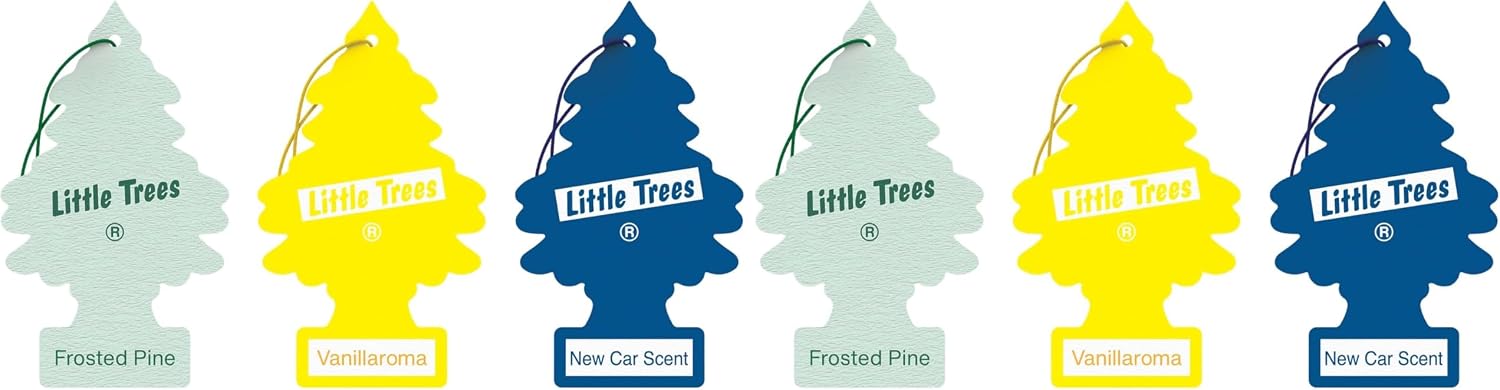
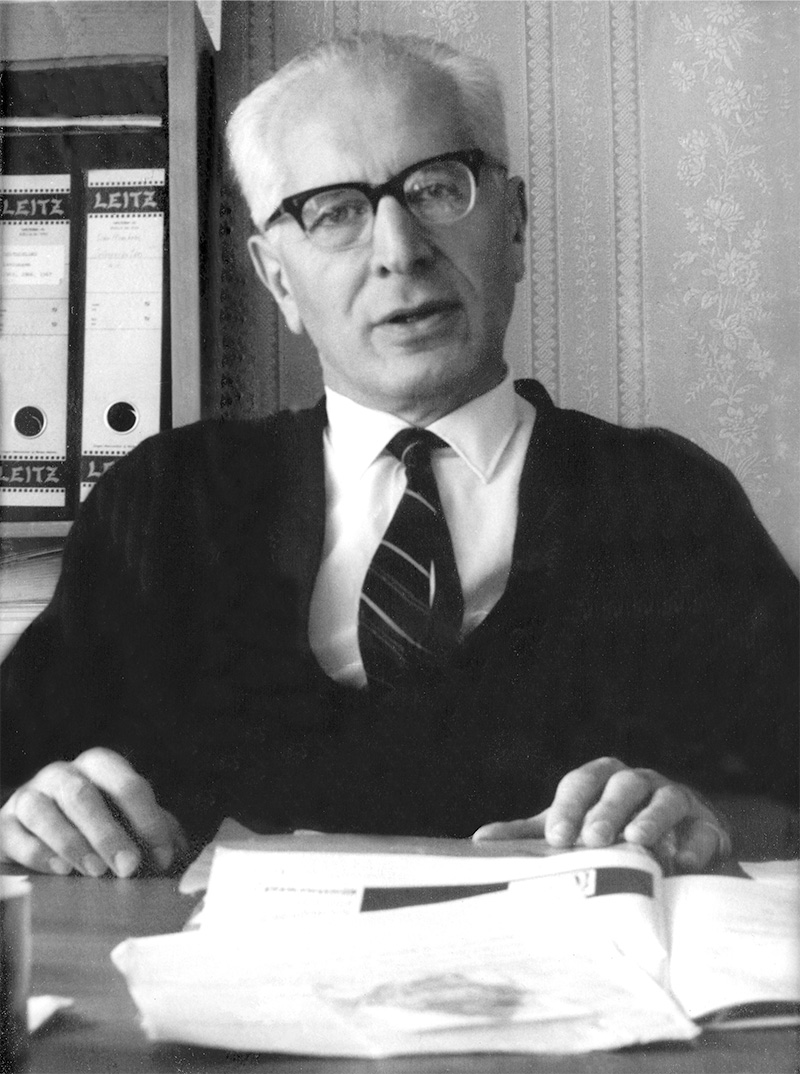
How did a simple piece of cardboard transform into a billion-dollar brand ecosystem? The story began in 1952 in Watertown, New York. Julius Sämann, a Canadian chemist who had navigated the challenging path of European emigration, was researching the natural mechanisms of essential oils in the Canadian forests. When a local milk delivery driver approached him complaining about the persistent odor of spilled milk in his truck, Sämann engineered a targeted solution. He symbolically shaped the air freshener into a Canadian pine tree to pay homage to the natural environment where his idea was born.
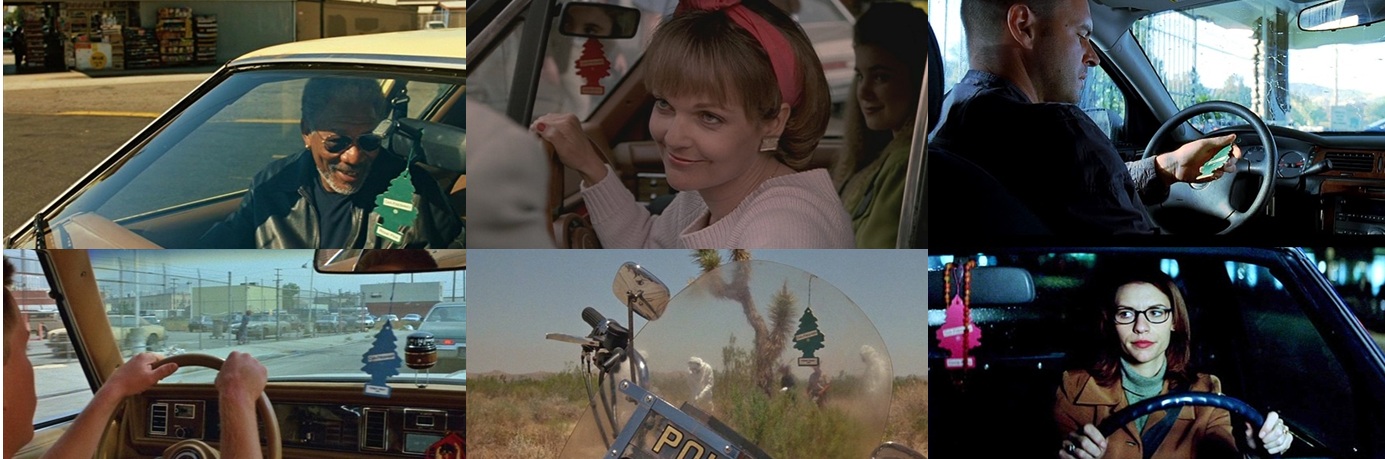
The first product cost just 35 cents. The chemist's experiment proved a massive success, laying the foundation for an entirely new niche in the automotive accessories market. The original fragrances were Royal Pine, Spice, and Bouquet. Over time, the assortment expanded to include renowned scents such as Caribbean Colada, Vanillaroma, New Car Scent, and, of course, the legendary Black Ice. This remarkable success and high brand recognition quickly caught the attention of Hollywood producers. The "little trees" became integrated into cult classic films such as Repo Man, The Fisher King, Grumpy Old Men, Tommy Boy, and David Fincher’s masterpiece Seven, creating a perfect synergy between the car's interior and the characters' psychological profiles.
However, no legendary brand is immune to crises, and Little Trees was no exception. For decades, the company fiercely battled in court against any competitors attempting to copy its visual identity and shape. Diversification of its marketing strategy also became necessary when legislation in certain regions restricted hanging items from rearview mirrors. Today, Little Trees (known in Europe as Wunder-Baum) generates over $100 million in annual revenue. The brand’s history proves once again: when the right product, unique design, and consumer sensory experience converge, a business transforms into a classic marketing case study.