
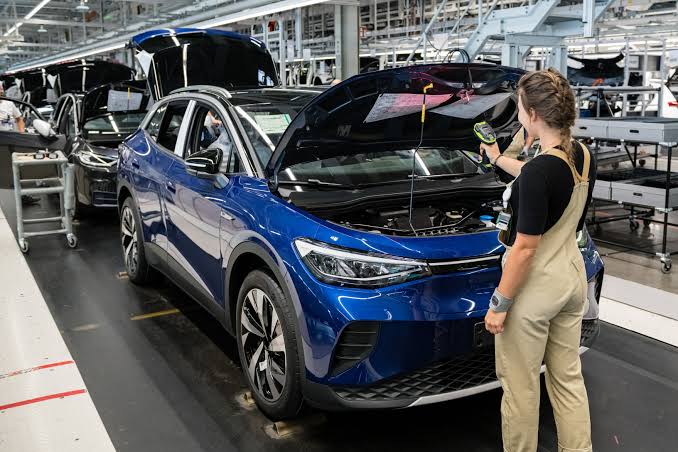
German automotive giant Volkswagen is facing a massive crisis. According to recent news, the company plans to cut 100,000 jobs around the world, which is a large part of its 657,000 workers. This plan is twice as big as the earlier announcement and is part of a new "survival plan" made by the company leaders. Reports say that four factories are in danger, including the ones in Hannover, Emden, Zwickau, and the Audi factory in Neckarsulm. Under this plan, production at these places could stop completely as soon as the current models finish production.
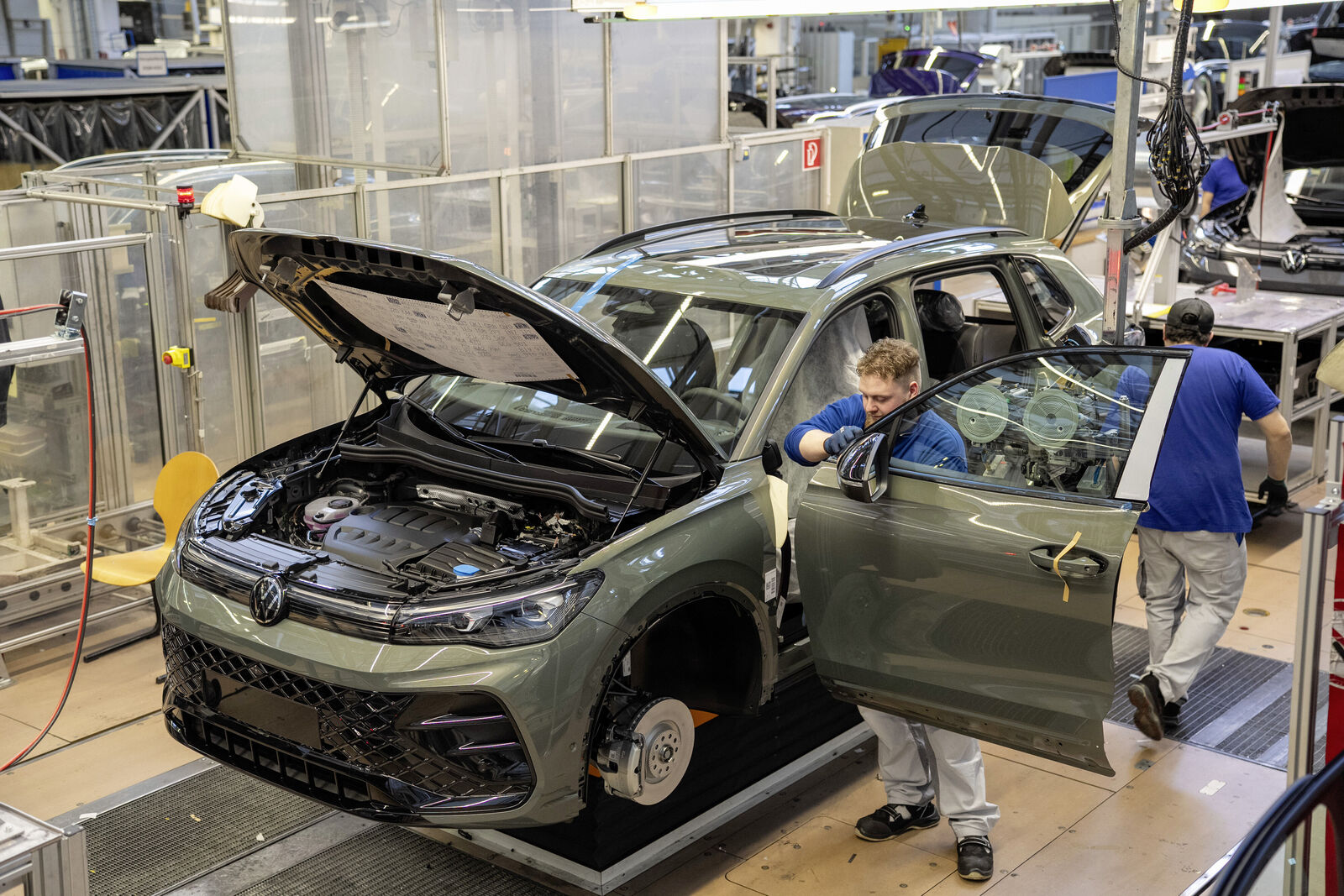
Reasons and Context - Volkswagen's hard financial situation is caused by a few things: German factories cannot compete with cheaper factories in other countries. Also, sales for certain models are going down; for example, demand for the ID.Buzz electric car is much lower than expected. Finally, there is the crisis in the Chinese market. Before, the billions made in China balanced out the costs of German factories, but because of growing local competition, this income has dropped sharply.
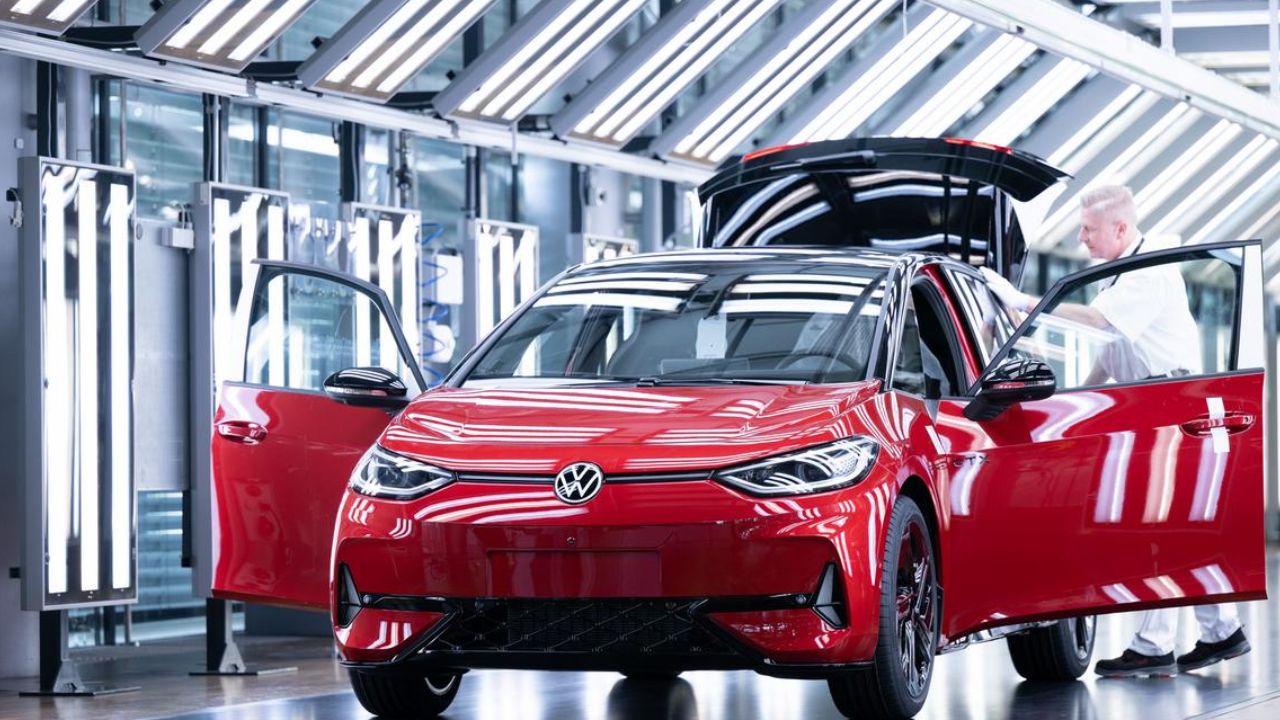
Opposition and Outlook - Trade unions called this decision an "irresponsible threat" and reminded the company about a current agreement that blocks forced job cuts and factory closures (except for Osnabrück) until 2030. The issue was set to go to the VW supervisory board for review on July 9. The company's situation is difficult: representatives from the federal state of Lower Saxony, who hold important votes on the board, say that closing factories is an easy and unacceptable solution. Meanwhile, Volkswagen leaders point out that the current business model—making cars in Germany and producing them in Europe—is no longer efficient. The company believes a complete transformation is necessary to stay competitive in the global market.