
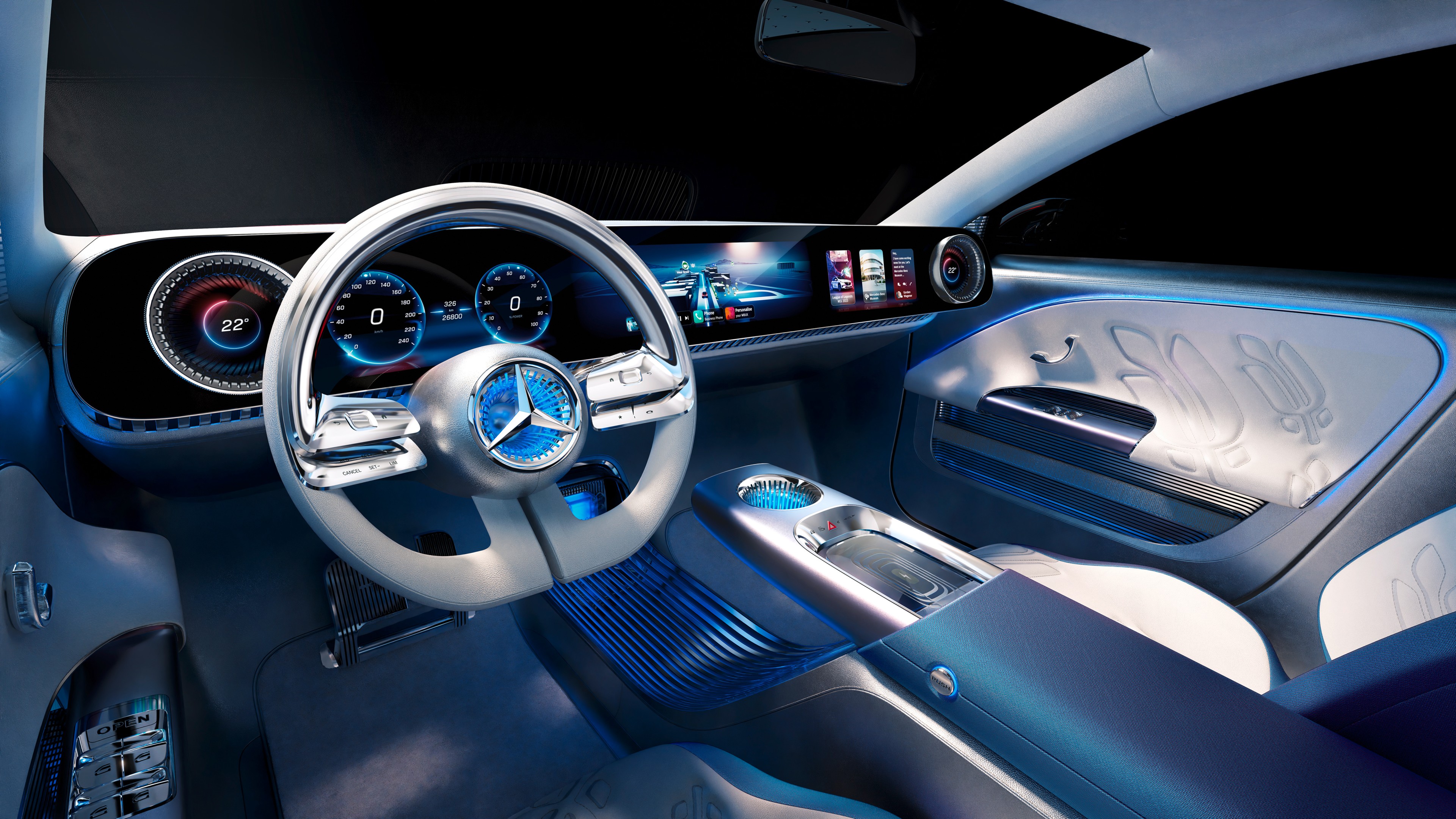
Imagine getting into a new car. What do you notice first? It is hard to imagine that it would be the steering wheel, the dashboard, or even the climate control panel. Today, screens immediately catch the attention of both the driver and the passengers. Modern cars have huge displays installed across the dashboard. They replace physical buttons and traditional gauges. As a result, car interiors look increasingly more like electronics stores. Of course, a logical question appears: why did car manufacturers decide that we, as users, would prefer big screens in our cars?
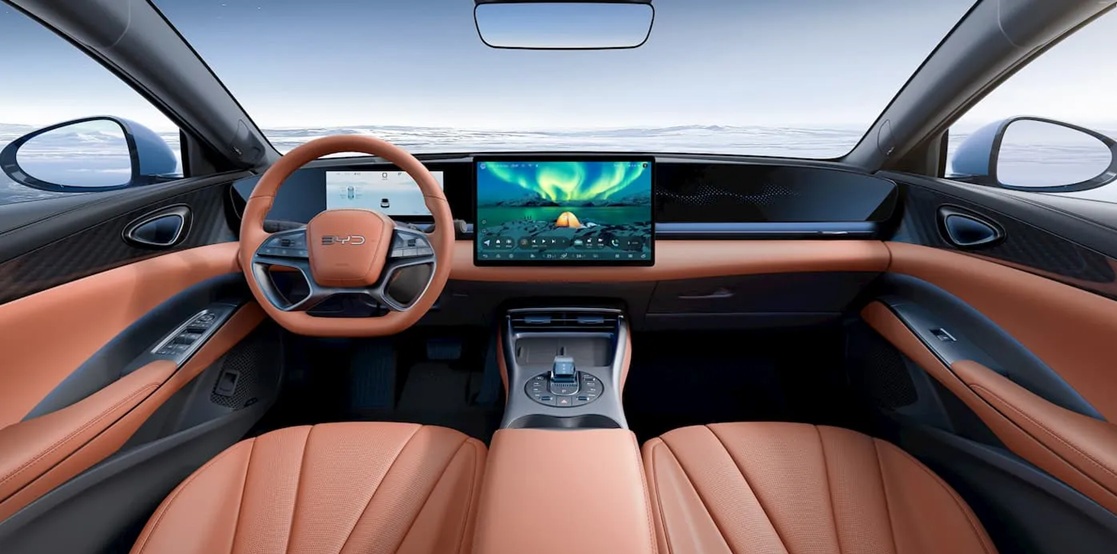
The truth is that the boom of big screens is not just a trend driven by consumers. It is a mix of marketing trends, cost optimization, software development, and the desire of manufacturers to simplify production while creating a more modern-looking interior. From an engineering and production point of view, combining functions into one digital interface gives the carmaker huge flexibility. It reduces the number of unique physical parts that need to be separately designed, manufactured, and integrated. Imagine that one touchscreen can combine navigation, the audio system, phone connection, car settings, and many other functions at the same time. The manufacturer does not need to design and produce a separate physical control for every small detail and then integrate everything into the dashboard.
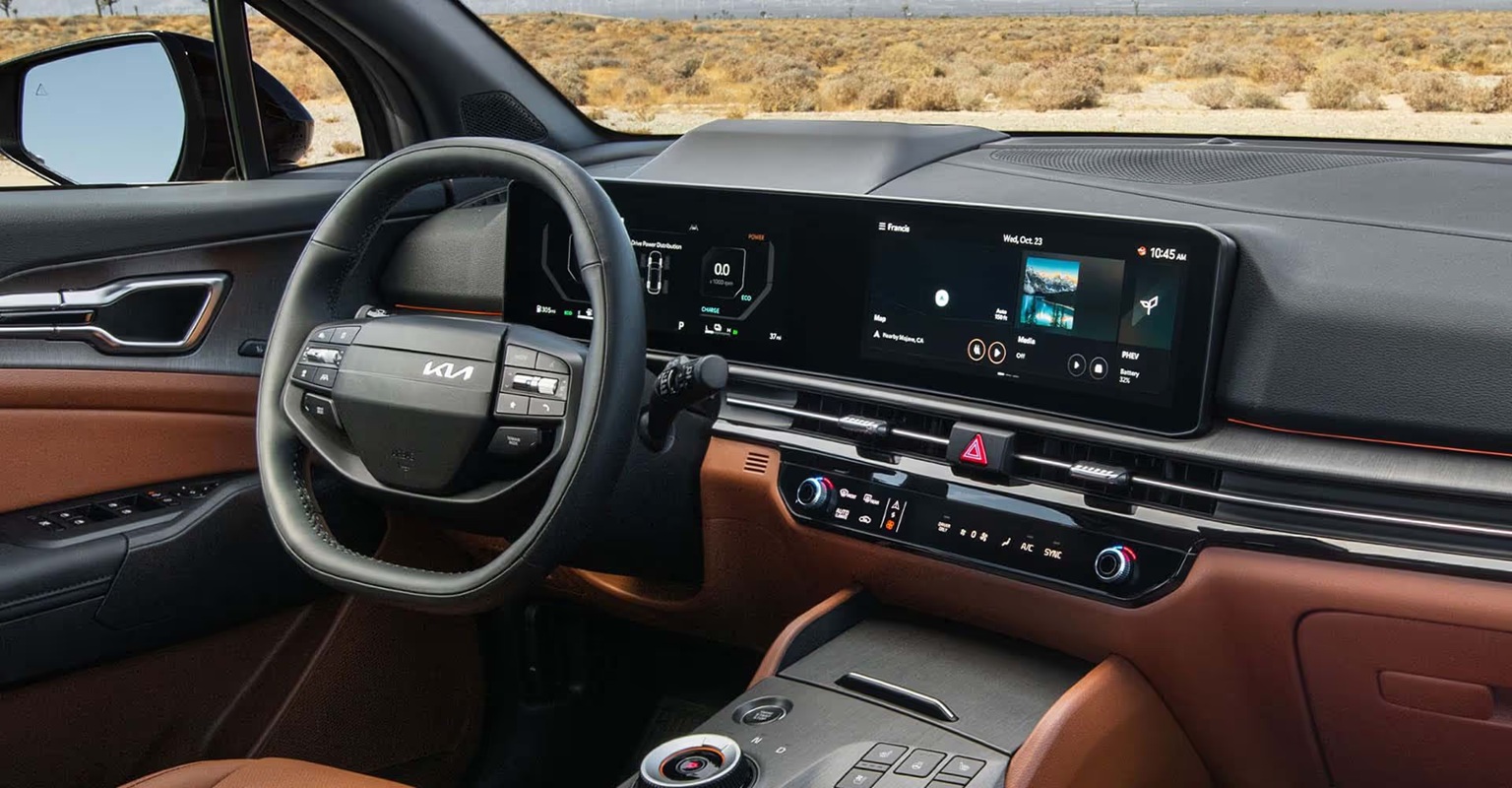
Even better, physical buttons never change, but software can be updated. This is very important now, when cars are closely connected to the internet. The carmaker can update the interface and add new features while the physical dashboard stays the same. In other words, the hardware can remain unchanged while the software continues to evolve. But there is another important reason why screens became so popular: They look modern. A large, high-resolution display immediately communicates technology and innovation. For manufacturers, it has become an easy way to make a new generation of cars feel significantly different from the previous one.
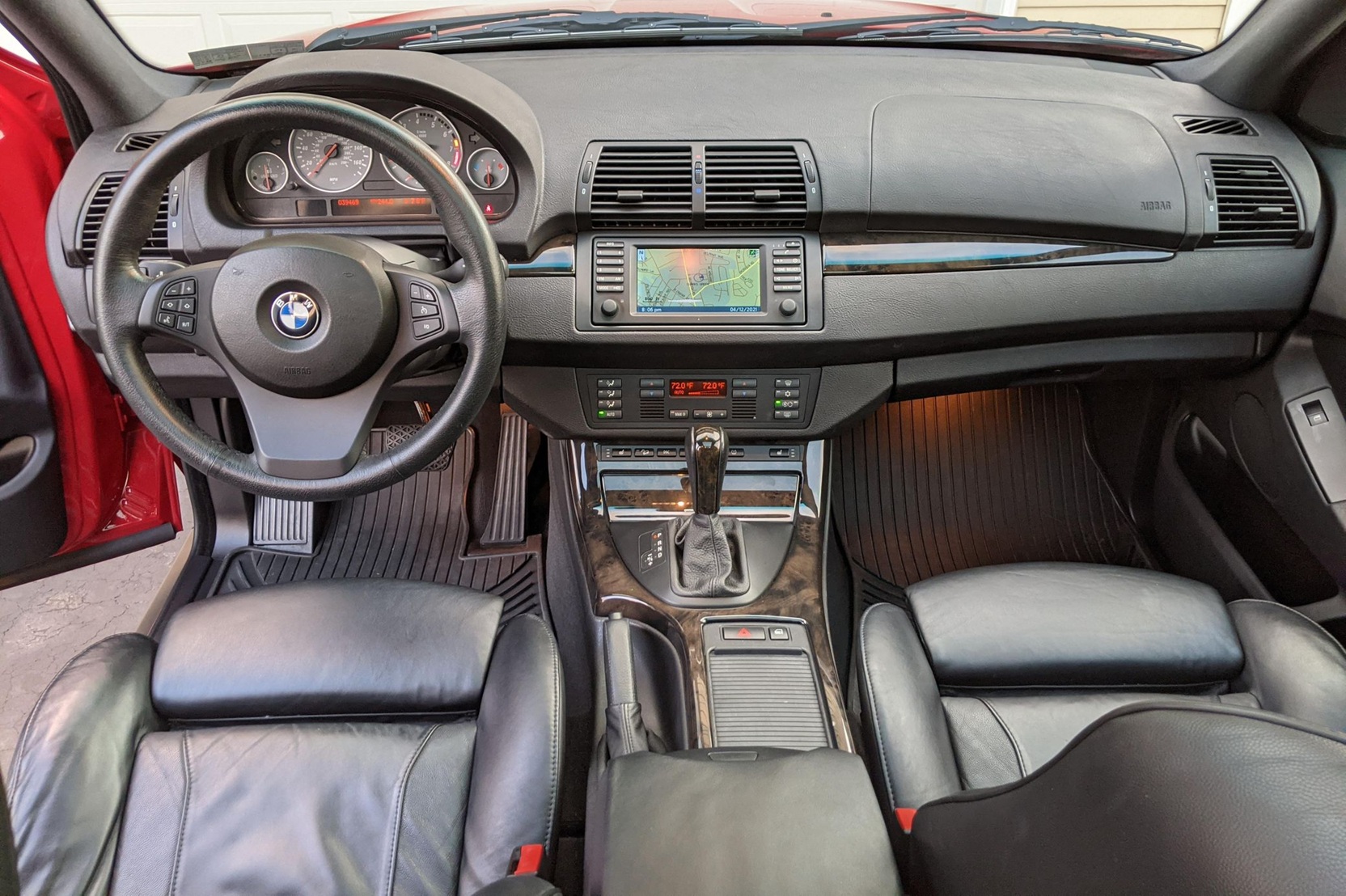
A touchscreen can make a car interior look futuristic, but physical buttons are often much simpler and safer for daily driving. You can feel a physical button without looking at it, while a touchscreen usually requires you to take your eyes off the road and navigate through menus. Because of this, after years of full digitalization, some car makers are slowly bringing physical buttons back. Perhaps the industry is beginning to realize that digital does not automatically mean better.
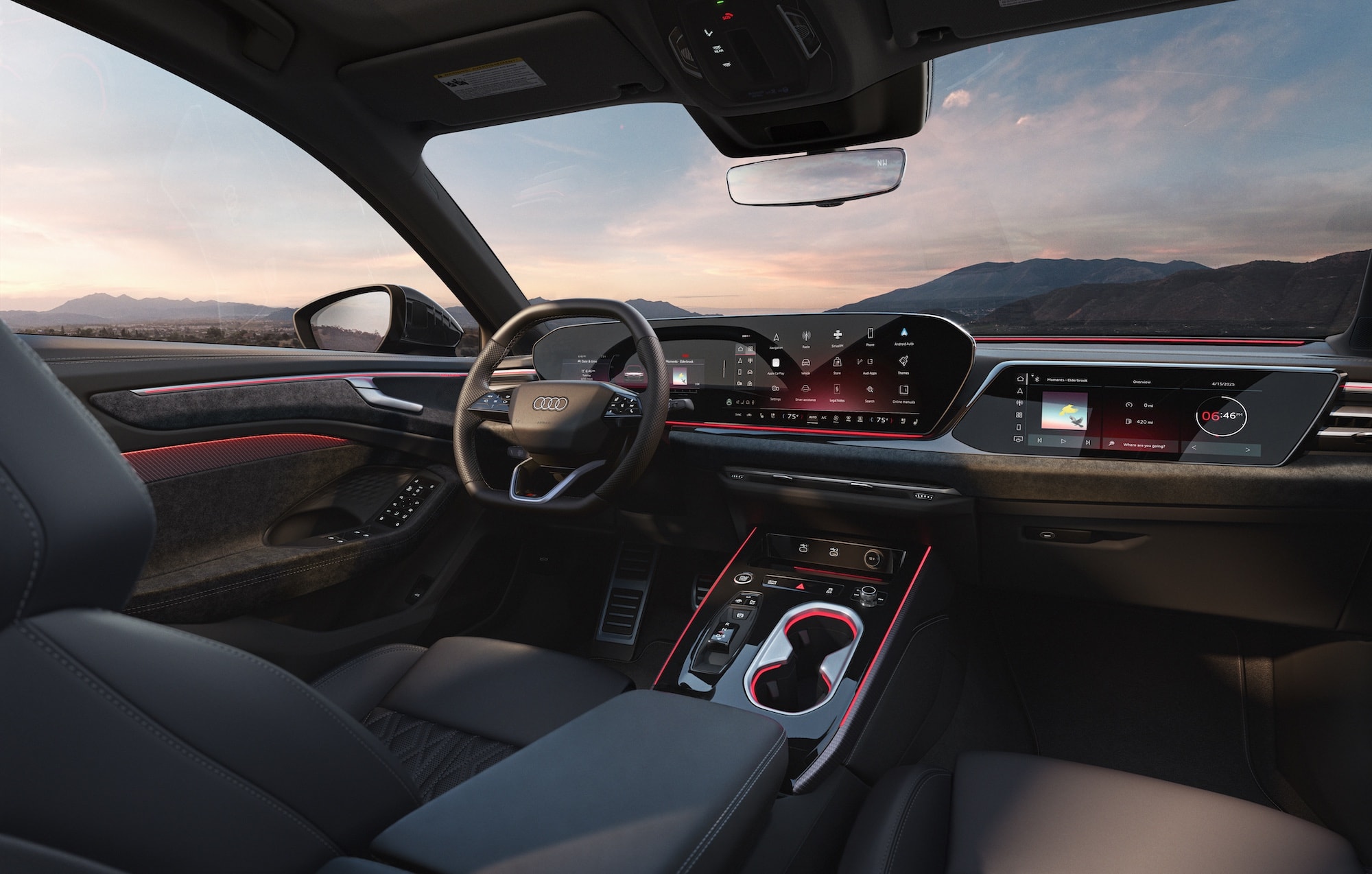
Of course, we cannot say no to technology in the modern world, so we need to find the golden middle. Screens are excellent when they make a function easier, faster, or more useful. Physical controls are better when simplicity, precision, and immediate access matter most.